Twilight at the Durbar
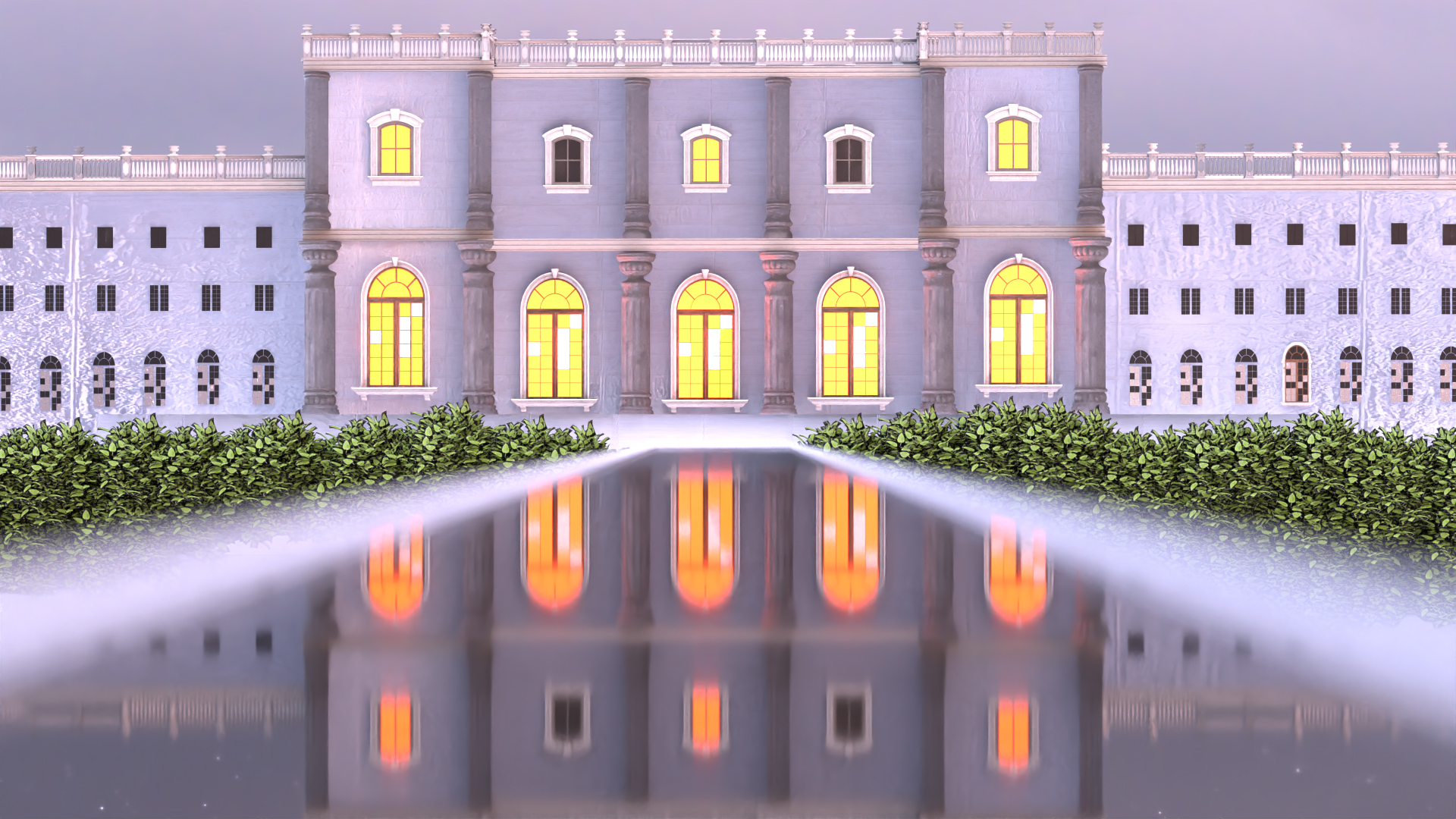
As dusk settles over the horizon, the neoclassical grandeur of Singha Durbar emerges from the twilight—a stoic monument to South Asian architectural authority. Its symmetrical columns and imposing facade stand as a testament to permanence, untouched by the passage of time. The palace commands respect, its stone walls holding the weight of history within their rigid structure.
The "blue hour" casts a contemplative mood across the scene, where the cold, darkening sky meets the warm, reddish-orange glow emanating from selective windows. These windows tell a story of life within the silent walls—a living presence that defies the stillness of the architecture. The contrast between the cool twilight and the warm interior light creates a sense of quiet mystery, inviting contemplation about what lies beyond those illuminated panes.
In the foreground, a serene canal reflects the grandeur above, its surface disturbed by subtle ripples that stretch and distort the golden reflections. This fluid, ever-changing water represents the transient nature of the world—a stark contrast to the permanent, rigid history embodied by the palace. Here, in this moment of twilight, we witness the duality between the immutable past and the fluid present, where architecture and nature, permanence and change, exist in perfect harmony.