Motivation & Story:
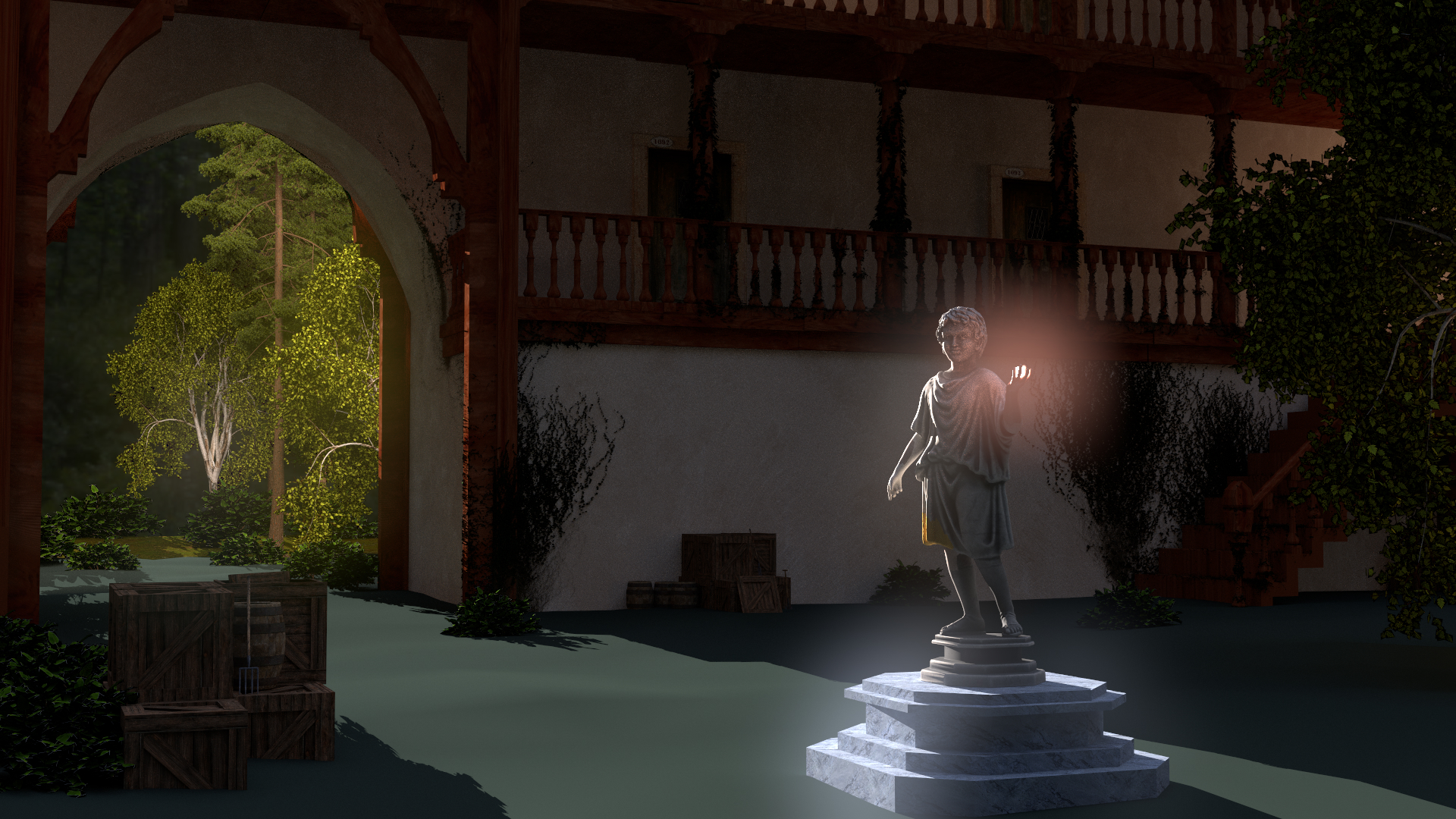
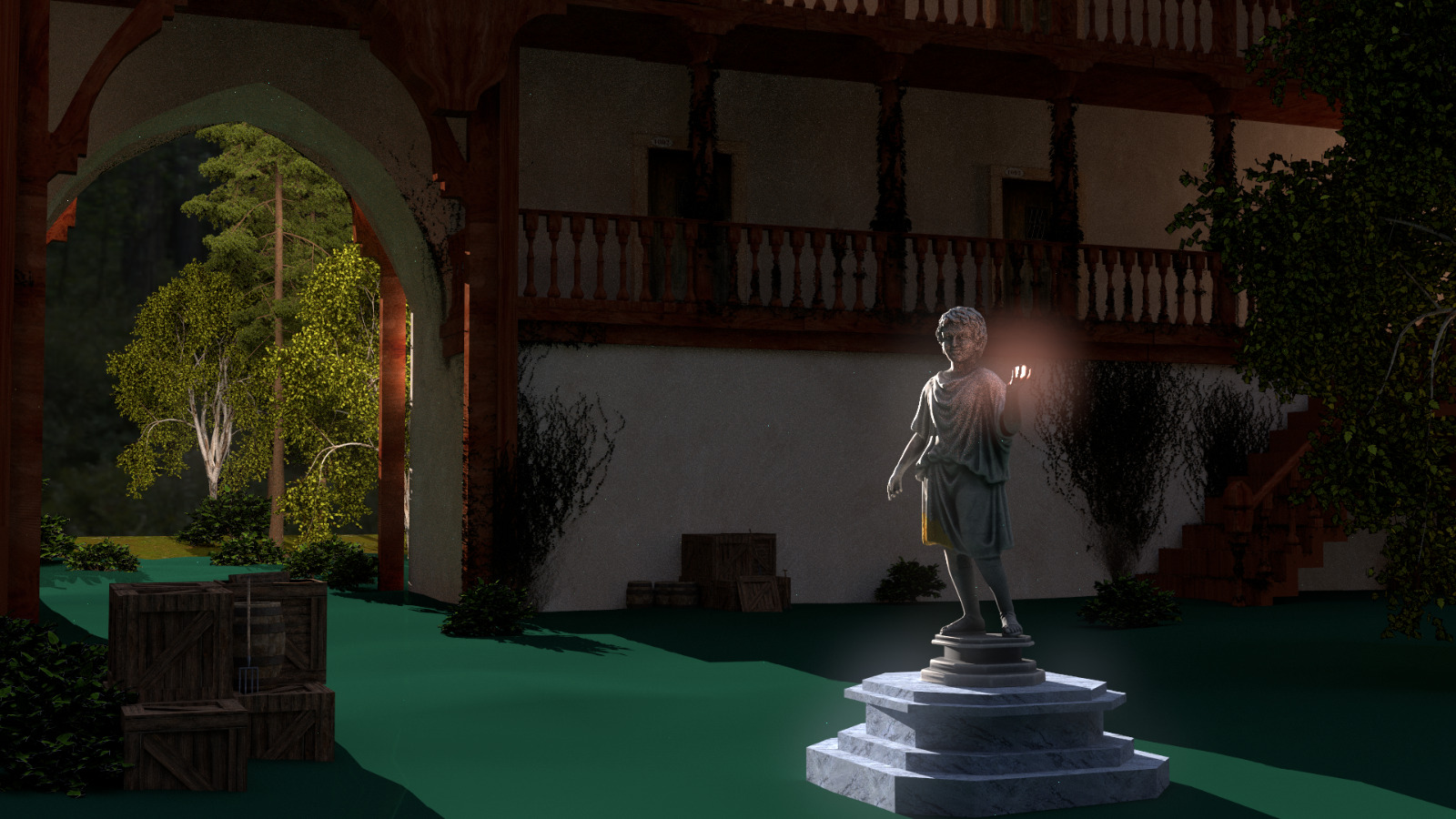
The scene captures a fleeting, ambiguous moment between night and day in a seemingly abandoned
location that holds a secret. In a crumbling courtyard reclaimed by ivy, a lone statue stands guard:
Camillus. Yet, this is not a cold stone figure, but a prisoner of time. As the specific light of the
golden hour touches him, the statue begins to wake.
The courtyard itself tells the story of his struggle: it is overgrown but partially tended, which is
a quiet hint that someone is trying to hold back the chaos. The stacked crates contrasting with the
overgrown walls serve as evidence of unfinished work. Camillus uses his brief windows of life to
care for this place, keeping a promise long after others have gone. But the tragedy lies in his
limitation. He never has enough time before turning back to stone, allowing nature to reclaim the
sanctuary once more. What is the nature of his prolonged existence? Is it firm dedication, or just a
prison of duty? How long does the fulfilment last, if every time one comes just short?
Hidden Details:
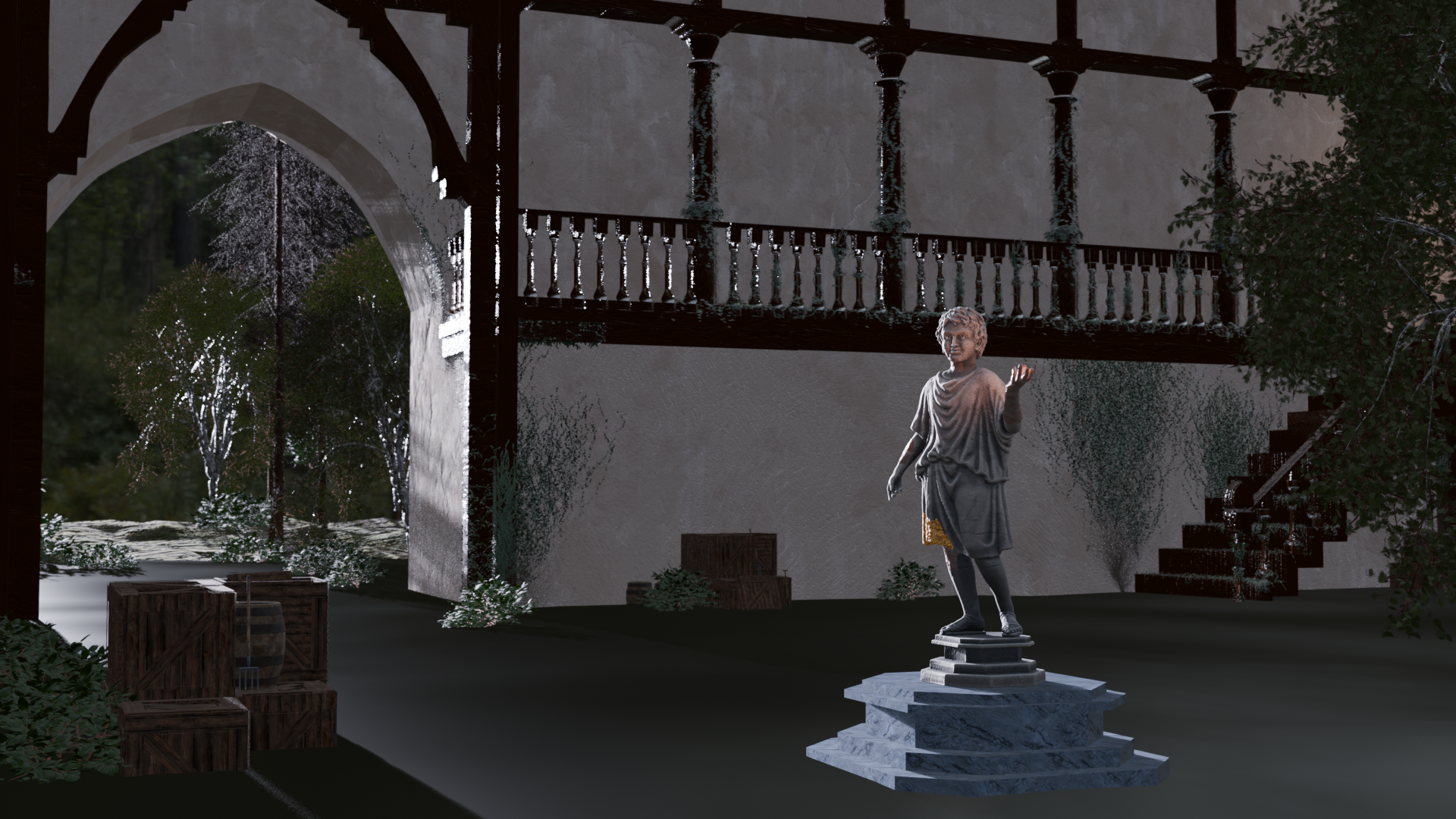
While the figure appears to be solid stone at first glance, subtle elements reveal the magical
nature of the transformation. Bathing in the light of the golden hour, the true self begins to break
through the outer shell. A closer look at the tunic's hem shows a distinct yellow patch where stony
greyness transforms into velvet yellowness. The stone is actively turning into real, golden fabric.
Further evidence lies in the figure's hand. It has already shed its rigid texture, transitioning
from cold rock into warm tissue. The returning skin tones contrast sharply with the rest of the arm
that has yet to wake up.
In one of the first lectures, there was a comment that it would be a great idea for the rendering
competition
to already collect any ideas one came up on the fly. So when the competition actually started, we
already
had a list of loose ideas, ranging from “black hole” and “robots” to “swans in a lake”.
These were conceptually nice, but not really useful, and the competition guidelines did not give us
a starting point.
So, we met up and discussed which common ideas we had. This resulted in a first mood board.
Common Ideas were “overgrown architecture”, “lake”, “night”, “nature”, and “mystical”.
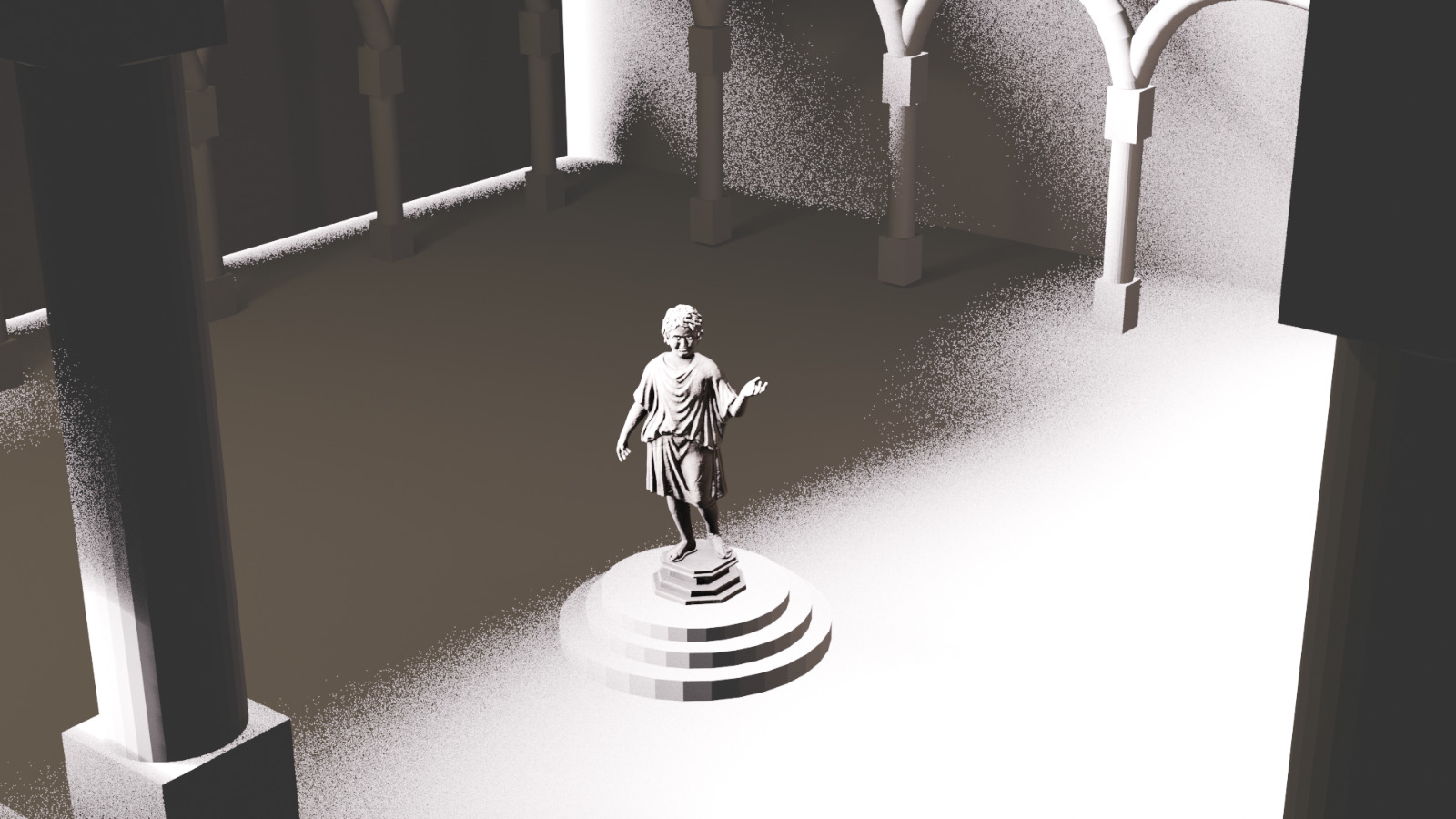
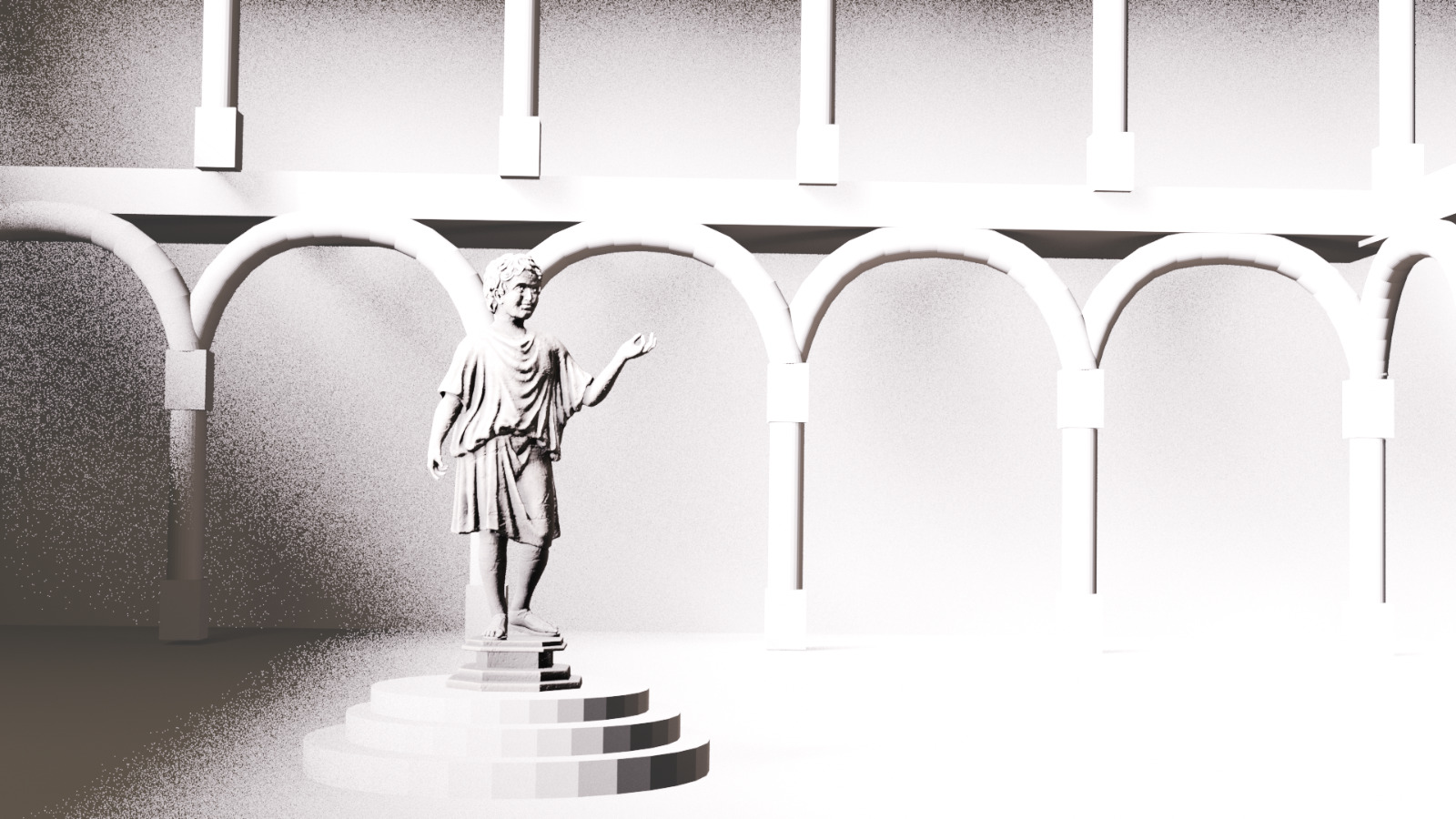
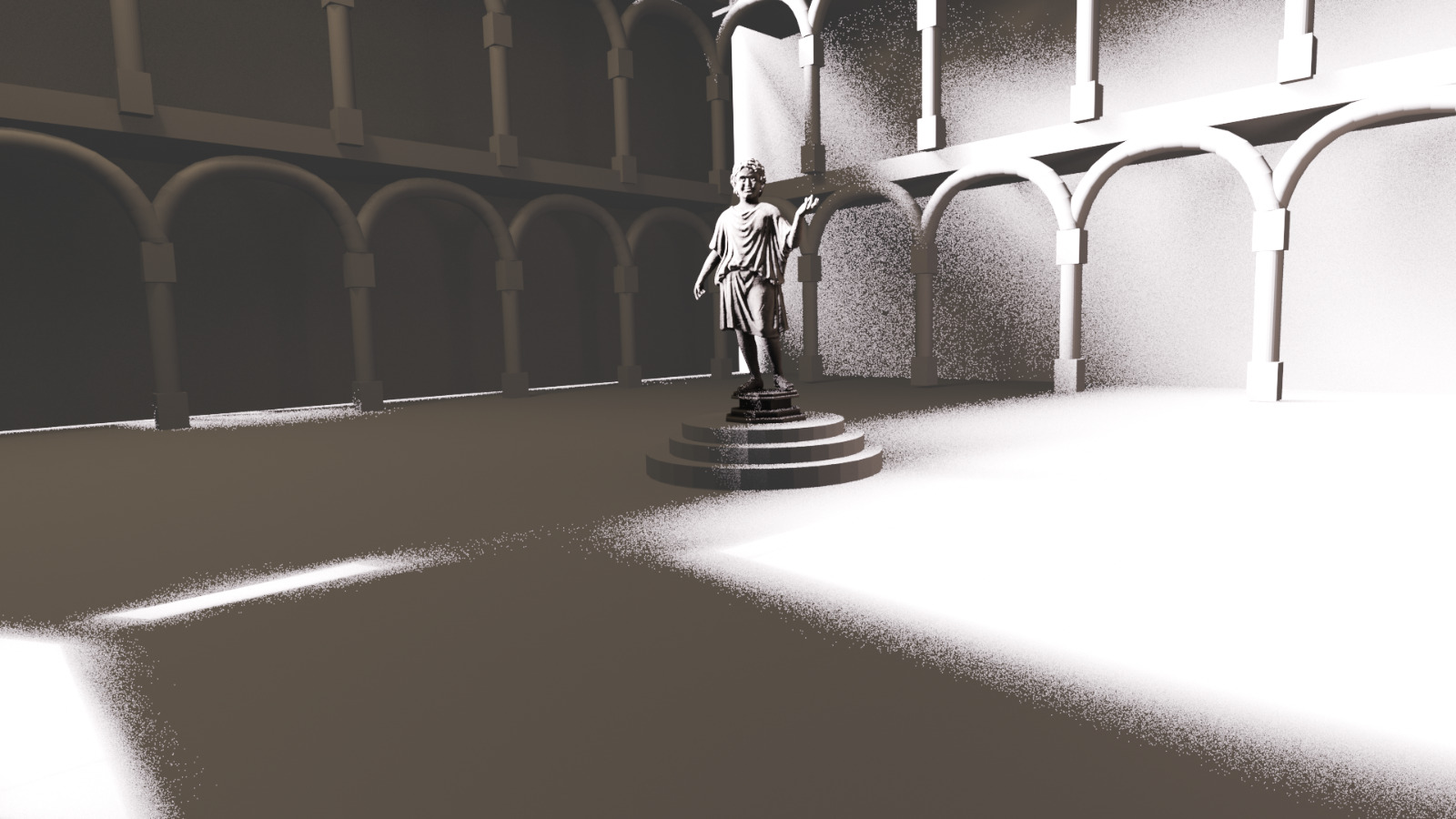
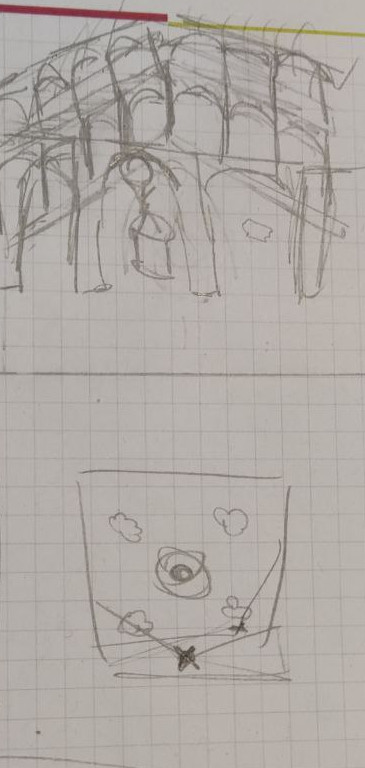
Thus, we started with a first version of an actual scene, and decided to place a statue as a
centerpiece.
We discussed on possible viewing angles, and eventually were convinced a very geometric
architectural backdrop
would be a suitable surrounding.
We were still not super inspired, and took some inspiration from potential features one could
implement.
Subsurface scattering seemed like an appropriate challenge, but we also needed to find an
application for it.
A little later, a new idea came to our mind: “What if the statue was alive?”.
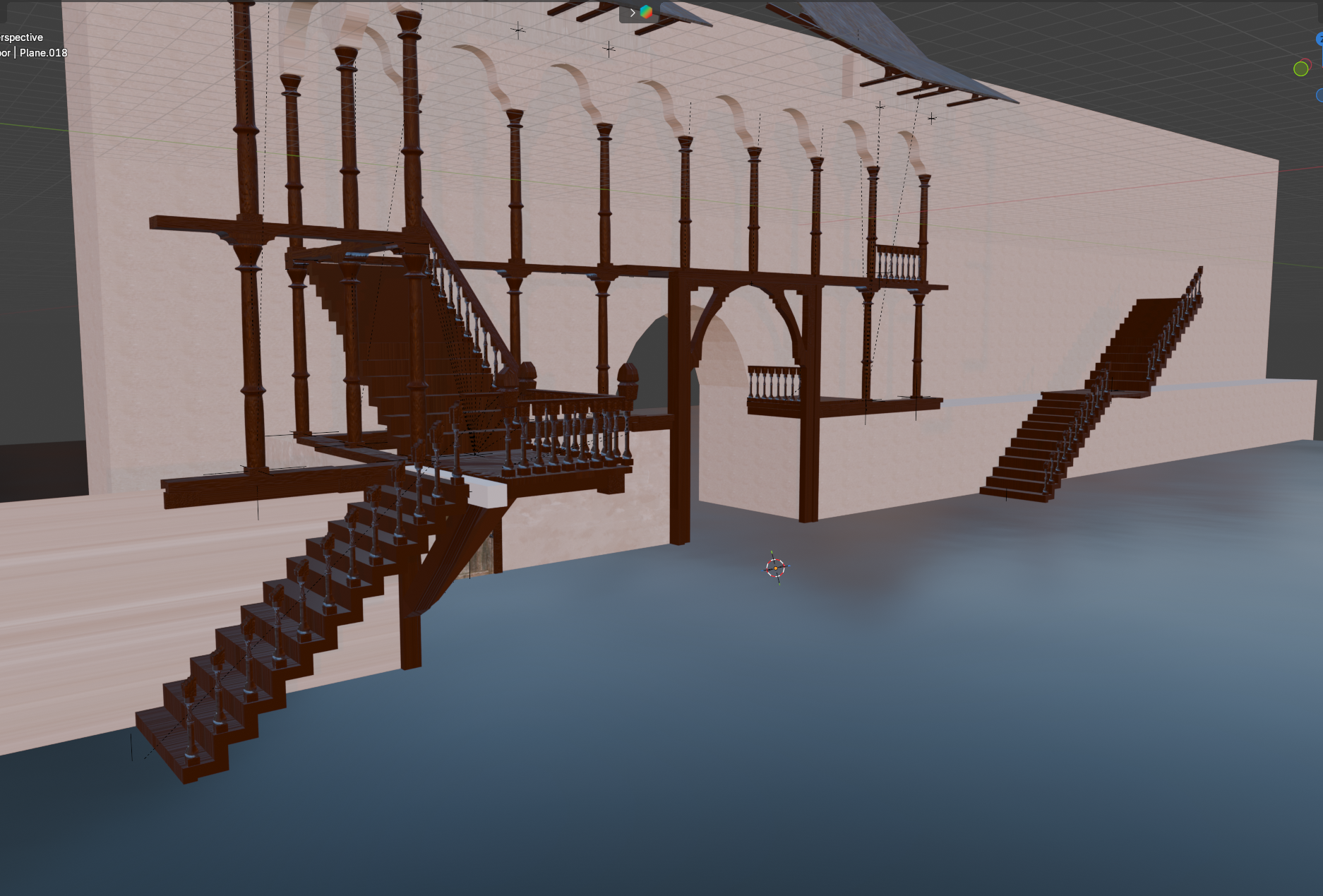
This was enough to transition from scene sketching to proper modeling.
Because we already had a clear viewing angle in mind, and already a scene setup, there was little
need to
experiment in-between, and we continued straight into texturing, shading, and compositing.
But it was not quite as simple to continue, as exporting from Lightwave to Blender is a non-trivial
task,
and the resulting .xml file required some manual tweaking. We made some shading compromises, and got
a minimal viable solution.
A few things got lost in translation, for example the lake looked more like a carpet, and there were
some places
in need of patching in some details. From then on, we just needed to experiment with some parameters
like
pathtracing depth, samples per pixel and postprocessing details. Then we rendered with higher and
higher image qualities.
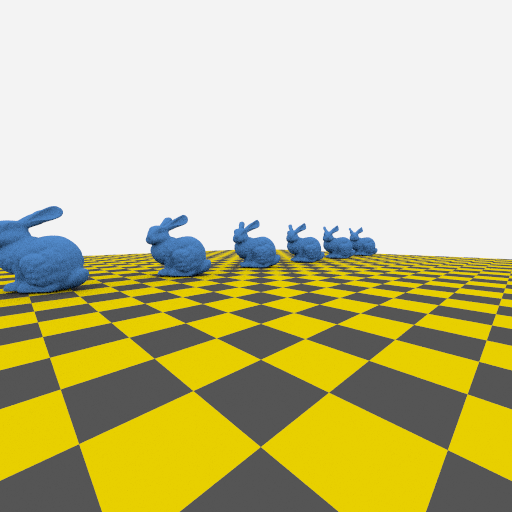 ON:
ON:
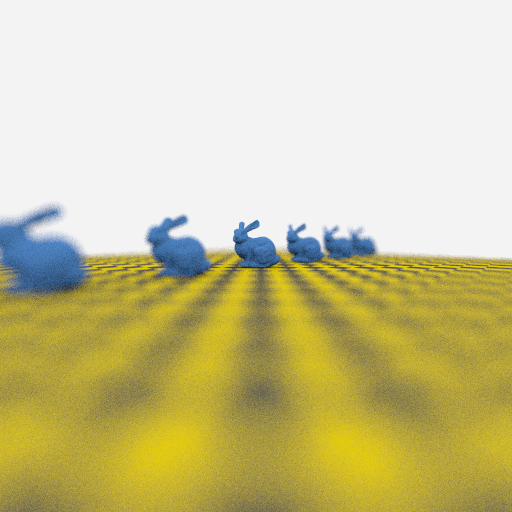
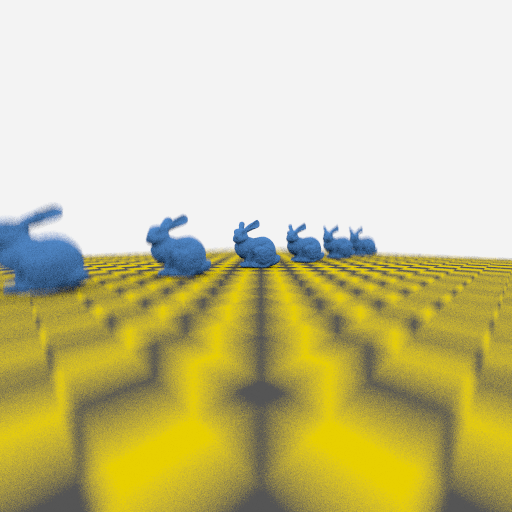 Pentagram:
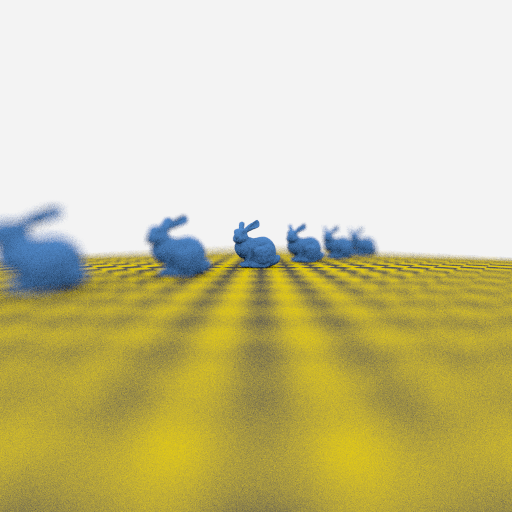 Rhombus: