Chaos in harmony
by Akansh Maurya and Aleksey Morshnev
Concept
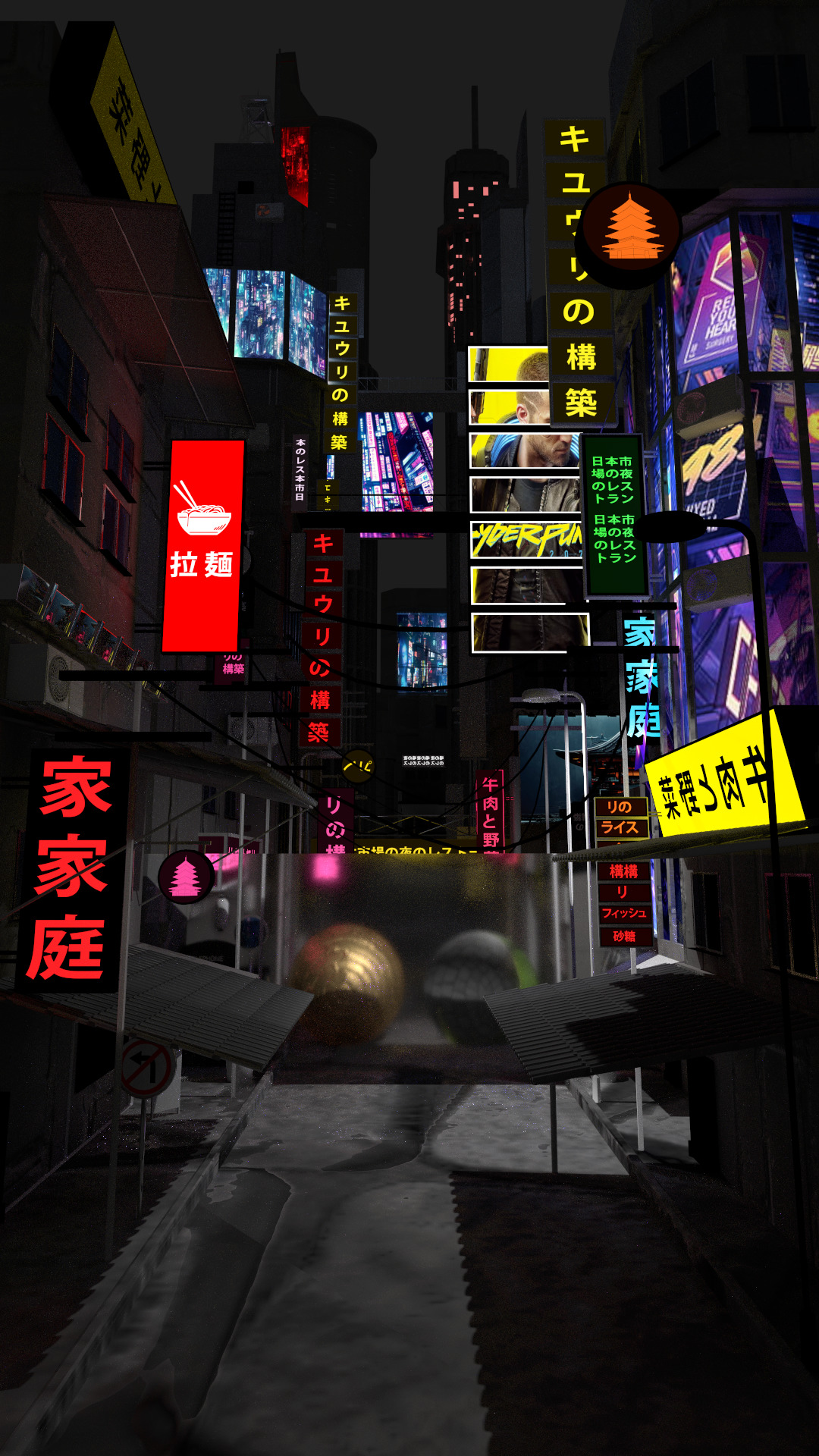
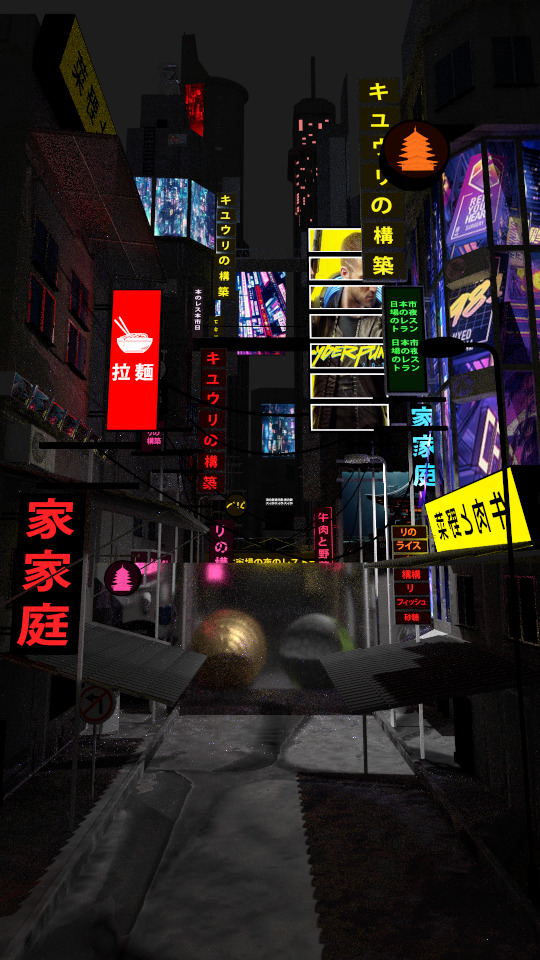
The image portrays a lively Tokyo street filled with colorful neon signs and advertisements. While the scene appears busy and chaotic at first glance, there’s a sense of balance in how everything comes together. The overlapping lights and signs create a vibrant atmosphere, reflecting the energy of the city. Despite the visual clutter, the arrangement feels natural, capturing the idea of "chaos in harmony" by showing how even a busy and complex environment can feel cohesive and alive.
Features
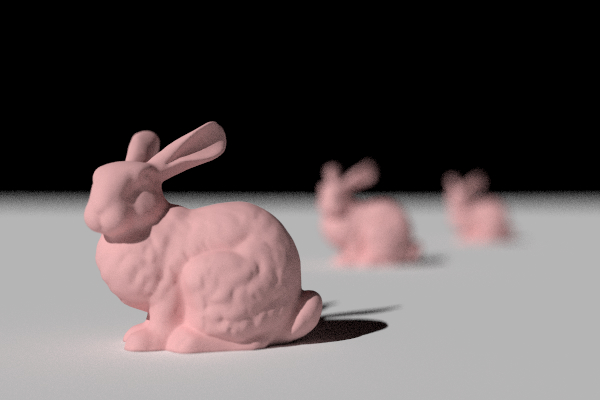
The Thinlens Camera simulates real-world optics, adding depth of field and realistic blur effects to rendered scenes. By adjusting parameters like aperture radius and focal length, it replicates how cameras focus on specific objects. In the shown image, an aperture radius of 0.05 creates blur, while focal length determines the focus area, enhancing realism.
src/cameras/thinlens.cpp
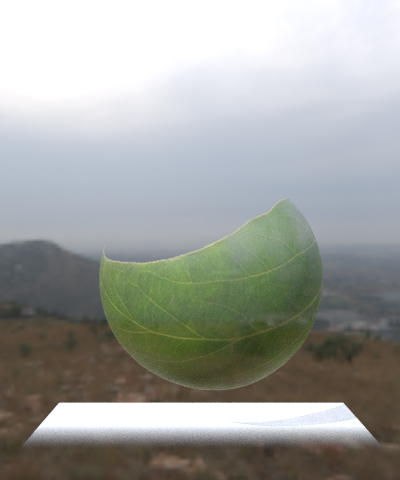
Alpha masking efficiently simulates complex structures by using textures instead of detailed meshes. This technique is commonly applied to elements like leaves, reducing computational load while maintaining realism. In our example, a leaf texture is applied to a sphere, and a floor texture is used, with environment lighting enhancing the overall scene.
src/
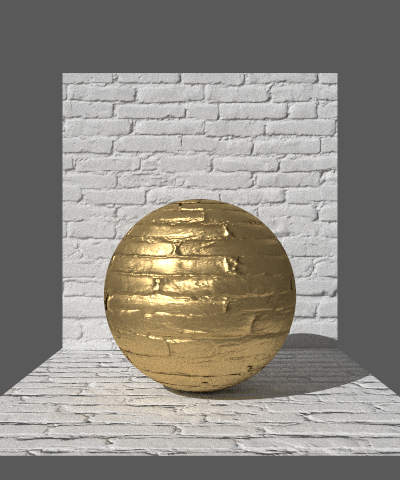
Normal mapping enhances surface detail by simulating height variations without increasing mesh complexity. By perturbing normals at ray hit points, it creates the illusion of depth and texture. In our scene, we apply a brick-like texture to walls and a sphere, adding realism while maintaining efficient rendering performance.
src/
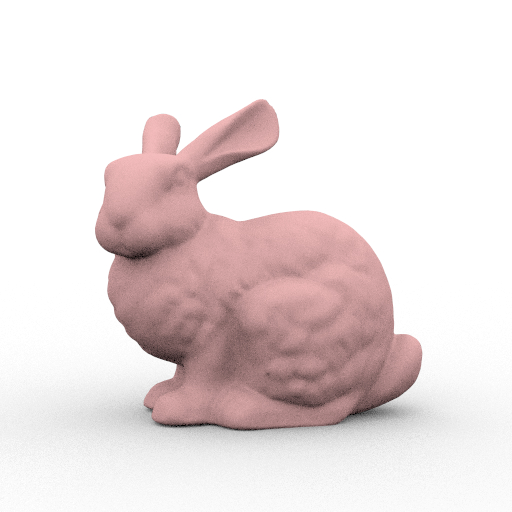
Why settle for noisy randomness when we can sample smartly? The Halton Sampler replaces chaotic pseudo-random sampling with structured, low-discrepancy sequences, ensuring a balanced spread of sample points. This eliminates patchy gaps and clustering, leading to smoother, noise-free renders. Just check out the cropped bunny leg—precision never looked this good!
src/sampler/halton.cpp
Where did the lights go? They didn't disappear—we just got smarter about how we use them! Instead of relying on random hits with environment lighting or emissive shapes, area lights provide a structured way to sample illumination. By proportionally selecting lights based on their area, we reduce variance and achieve more consistent lighting with less noise.
src/lights/area.cpp, src/shapes/sphere.cpp
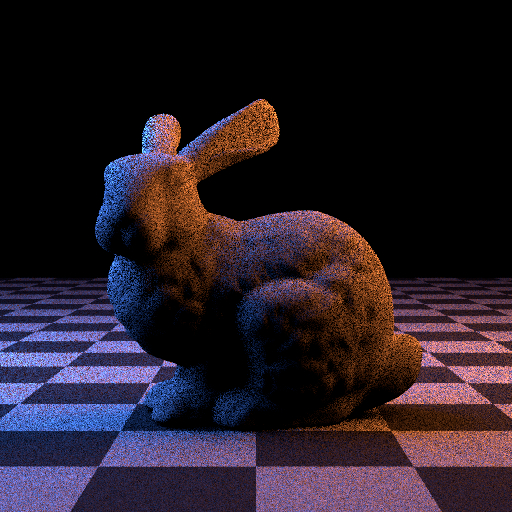
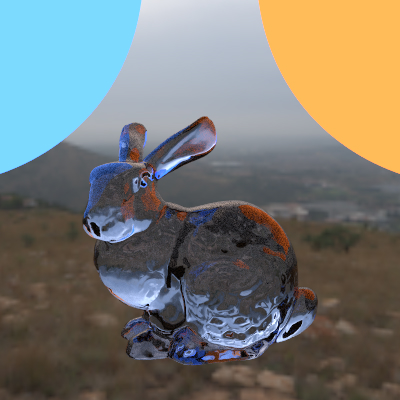
Taking inspiration from RoughConductor, we pushed things further with RoughDielectric—bringing refraction, reflection, and total internal reflection into the mix. This material faithfully simulates how light interacts with rough, transparent surfaces, balancing clarity and blur. Whether it's light bending through glass or bouncing off a frosted surface, our implementation ensures realism at every angle. Because in rendering, every detail matters!
src/bsdfs/roughdielectric.cpp
You become the brightest in the room, if you break rules. Well we broke the sampler with sampling in a sinusoidal fashion.
src/sampler/break_things.cpp