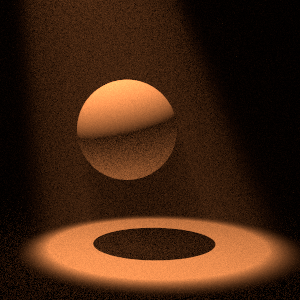
In the year 2030, NASA launches the first manned mission to Mars.
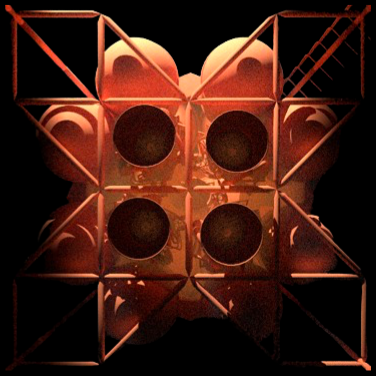
2030
↓
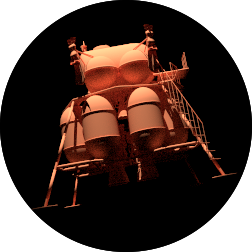
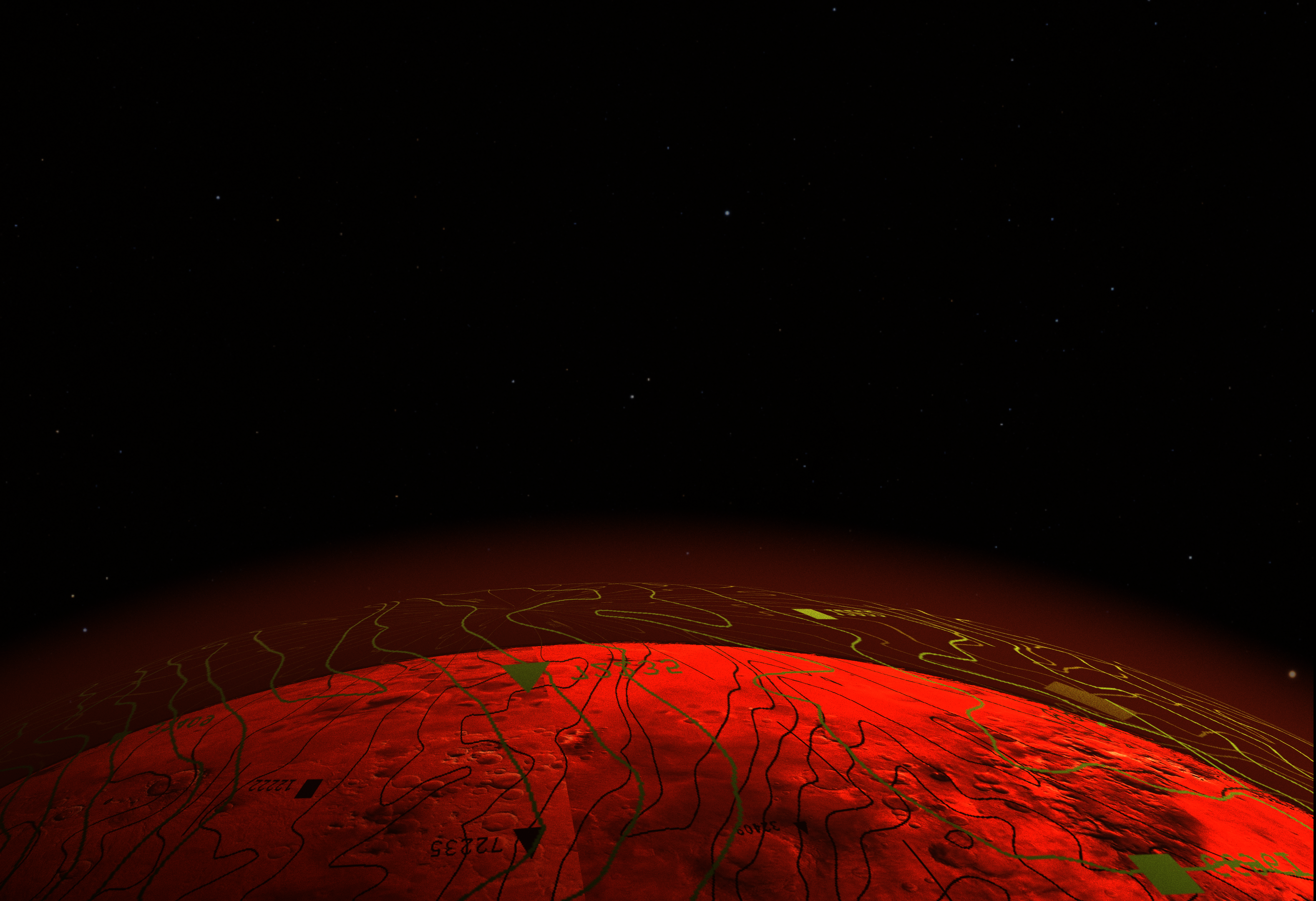
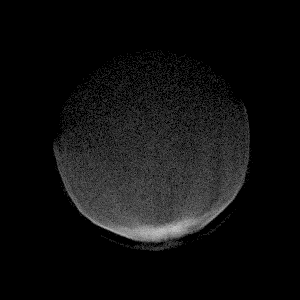
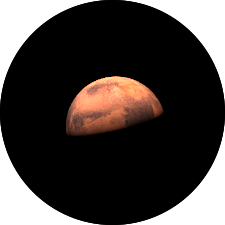
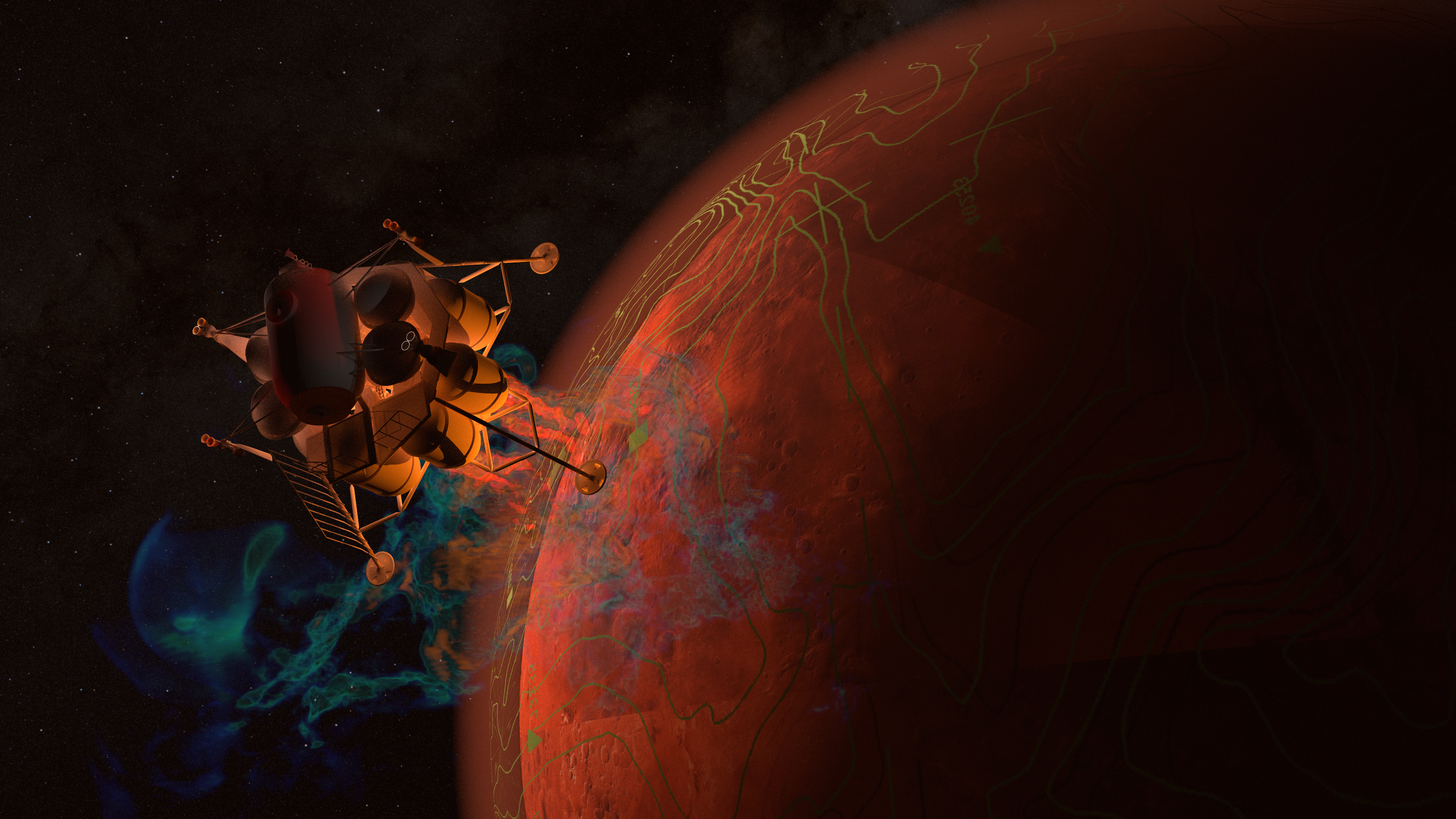
The Mars here is rendered with images provided from NASA. The sharp texture edges from frames taken at different times and illuminations, are stitched together raw, without post processing or color correction.
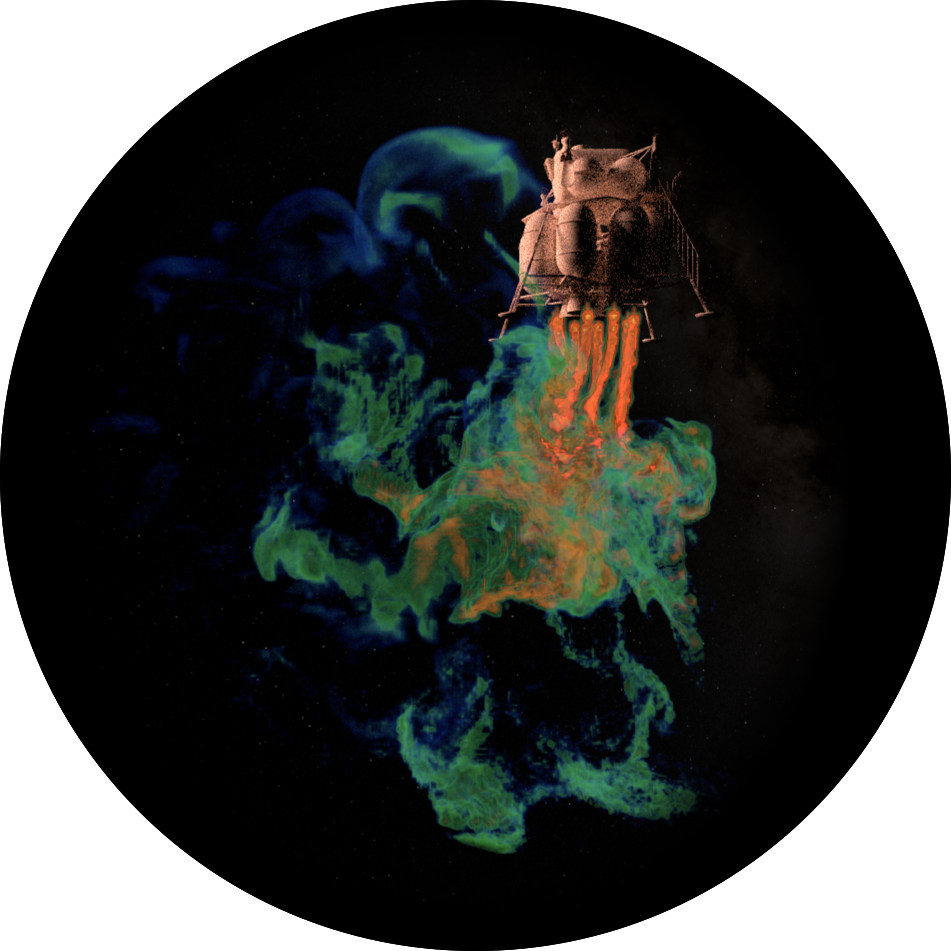
Mars' atmosphere is too thin and the lander craft too heavy to use conventional landing methods such as parachutes. In order to ensure a safe descent, the lander must use retropropulsion.


Due to the large communications delay between Earth ground stations and a lander approaching Mars, it is essential that the lander can autonomously react to a vast range of descent scenarios.
In 2019, NASA deployed computational fluid dynamics models on the Summit Supercomputer at Oak Ridge National Labs to simulate these scenarios.
In 2020, these fluid dynamics datasets were released to the public.
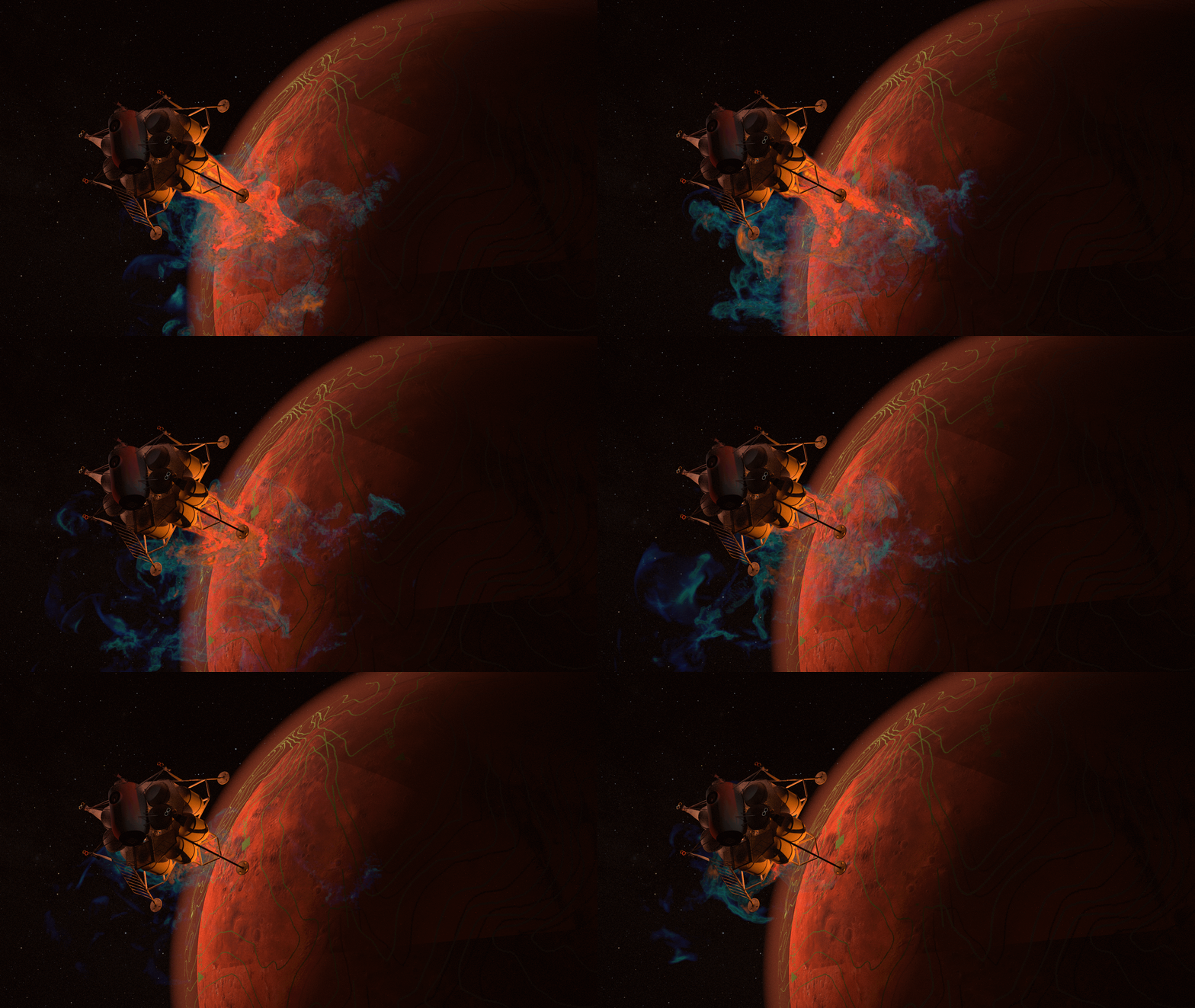
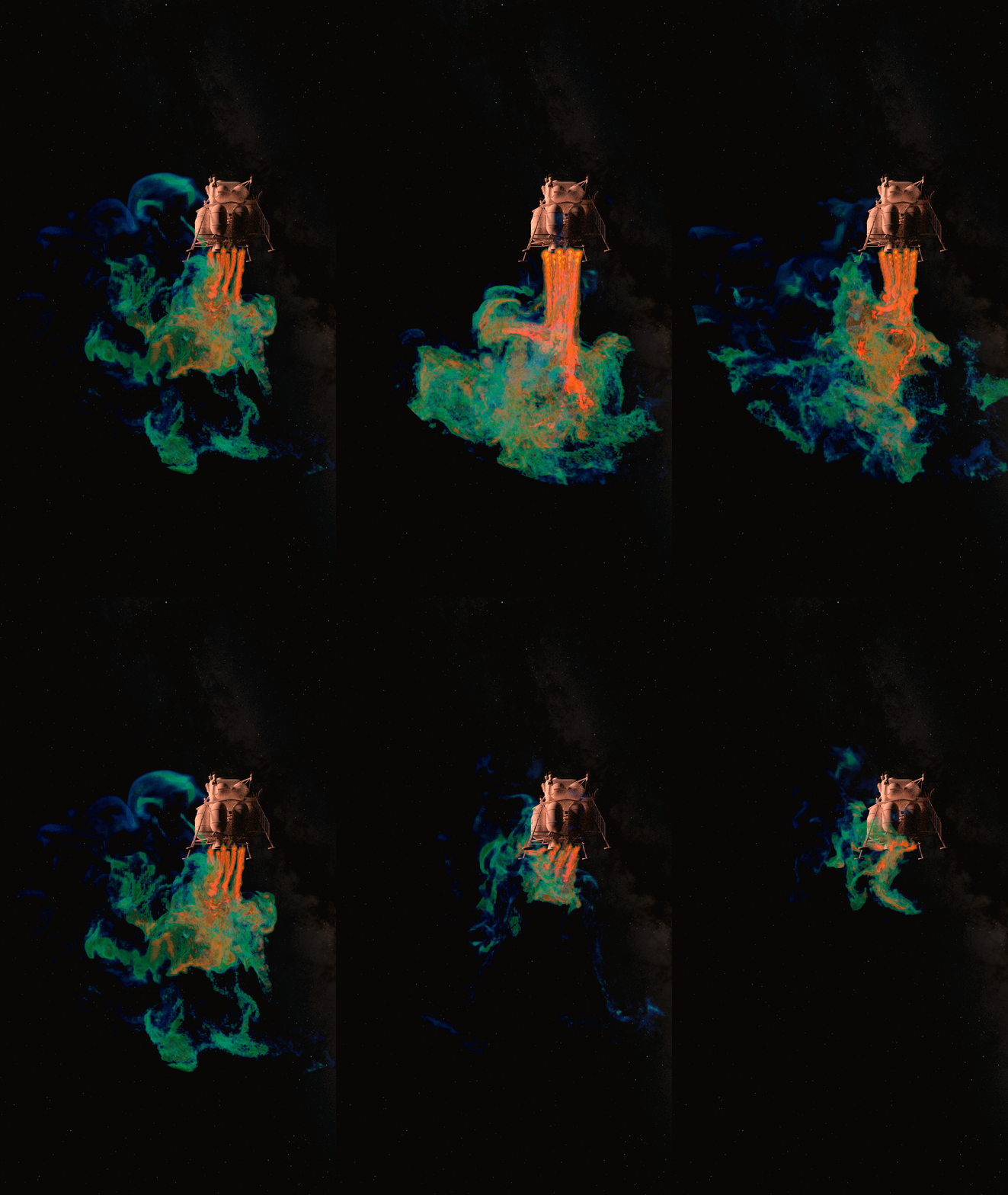
What you are looking at, are 30 timesteps worth of false-colored renderings of various iso-surfaces - regions of constant parameter values. These images were rendered in batch on the MPI-SWS SLURM cluster and consumed over 5700 CPU core hours.
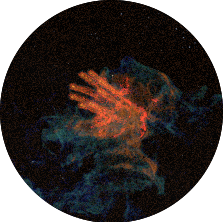

By changing the color mapping, you can isolate different parameters at each timestep and gain a better understanding of how the lander's propulsion will interact with the Martian atmosphere.
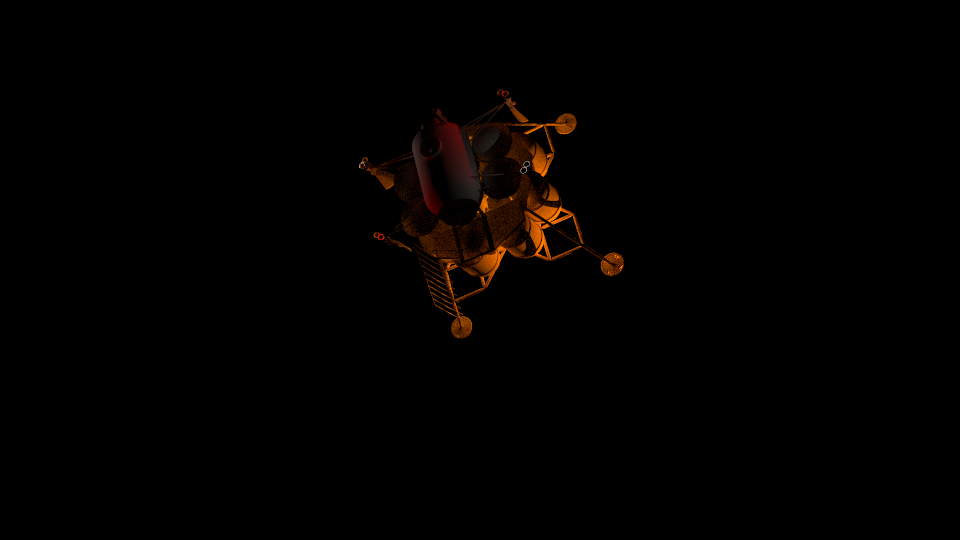
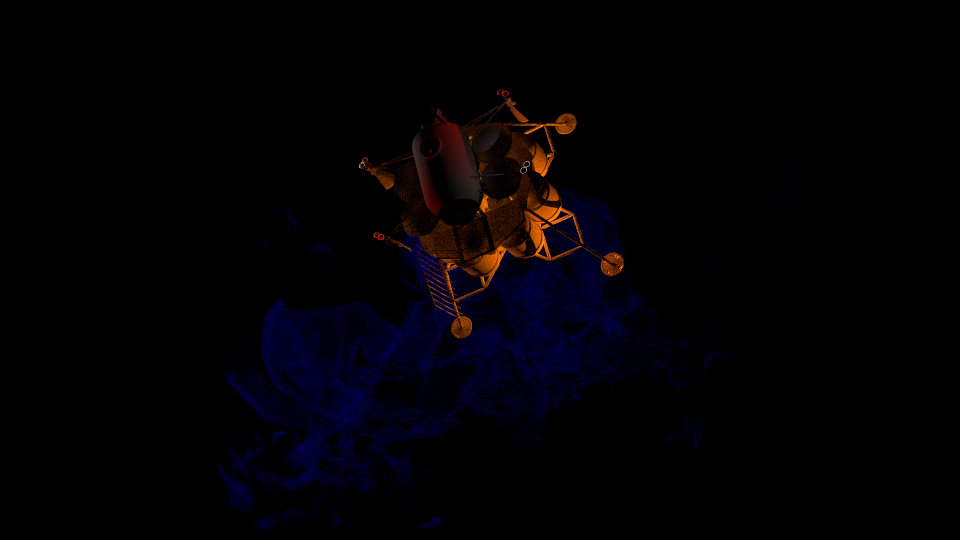
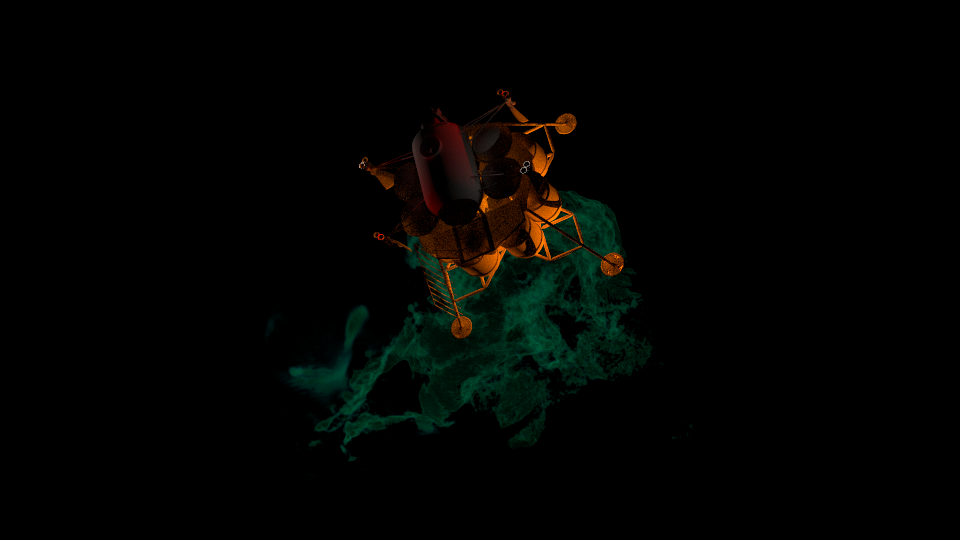
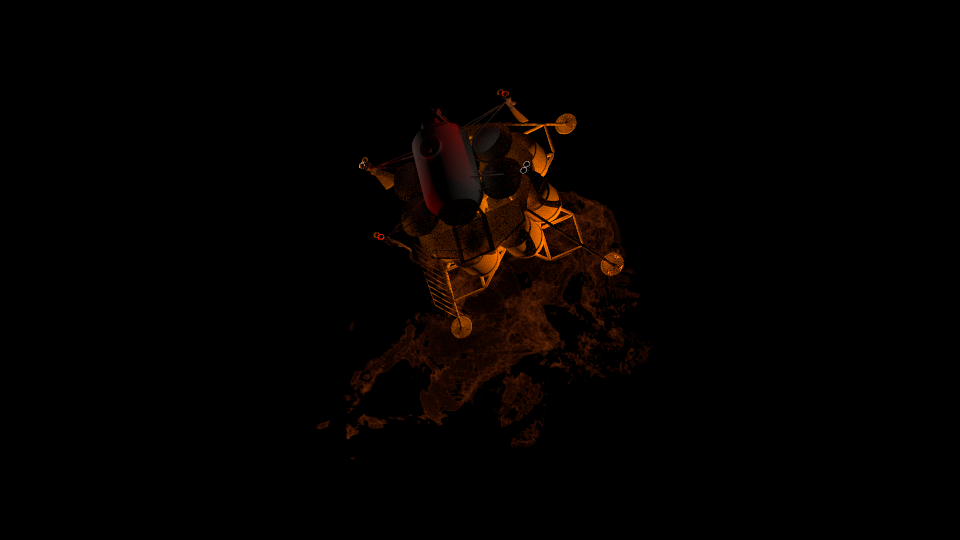
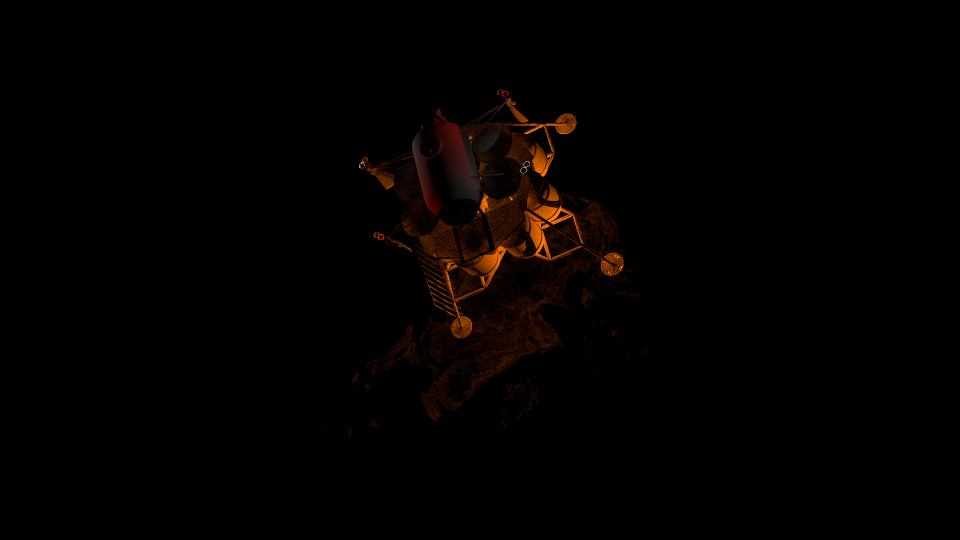
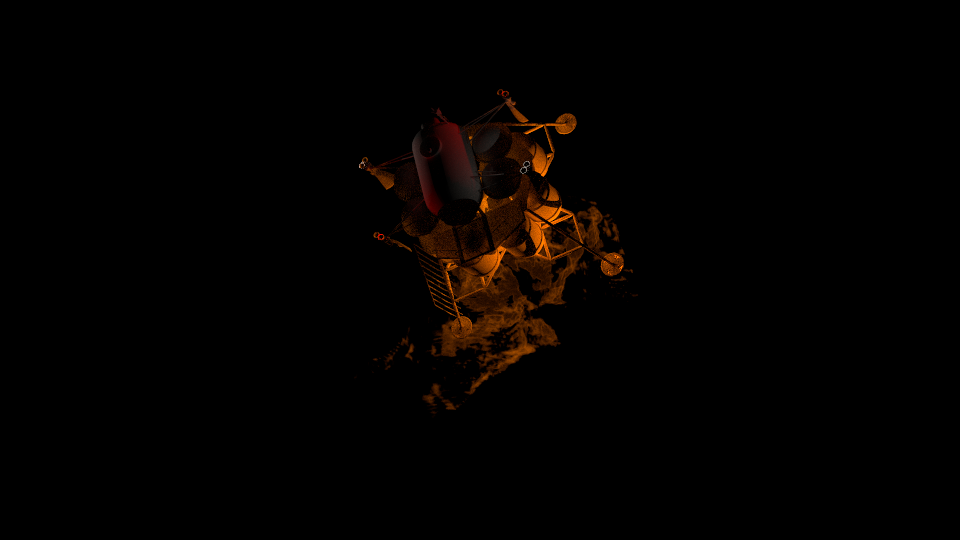
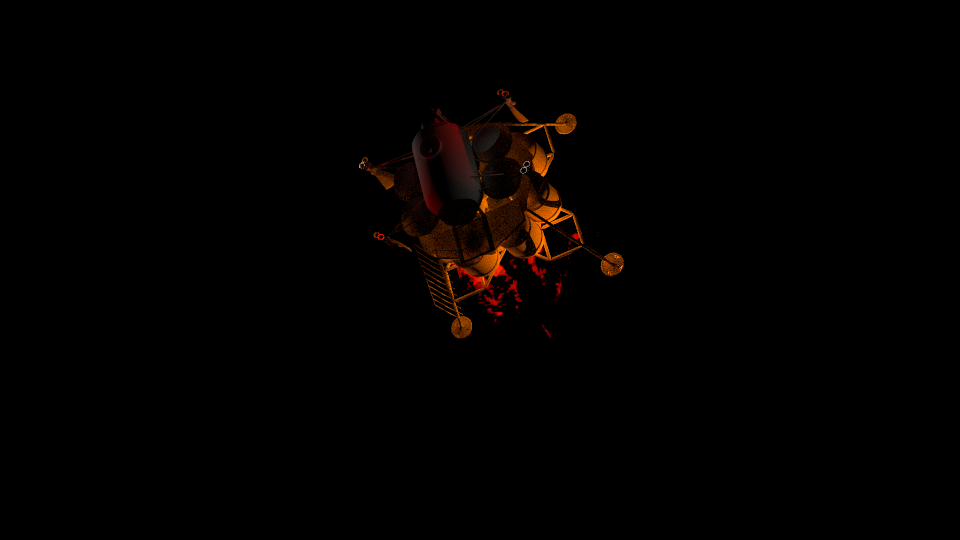
The original NASA Fun3D dataset was presented in an unstructured grid format, which required interleaving of 90 spatially partioned volumetric data components to reconstruct the full plume data.
Ingo Wald, Pat Moran, and the teams at Nvidia built tools to wrangle the data into an unstructured mesh format which can be imported into tools such as OpenVTK, to generate a structured grid.
To even downsample the 14GB unstructured mesh required execution on the Max Planck Institute for Software Systems SLURM compute cluster. The total downsampling and conversion consumed 182GB of swap space, requiring the partions to be unpacked independently and stitched together in post processing.
Researchers at Nvidia used 4 DGX machines with 165 GB/s NVLink interconnects to visualize this data realtime. The downsampled version took me ~5 CPU hours at the same resolution.
Simulation is the final frontier of computation.
As we race to understand the world in increasing detail at decreasing scale, we usher in an age of new computing platforms that can model in high fidelity. Now, innovations in computer systems are bringing us closer to exploring that world, ourselves.
Spearheaded by the platforms of the future, we can continue on our
Journey to the Unknown