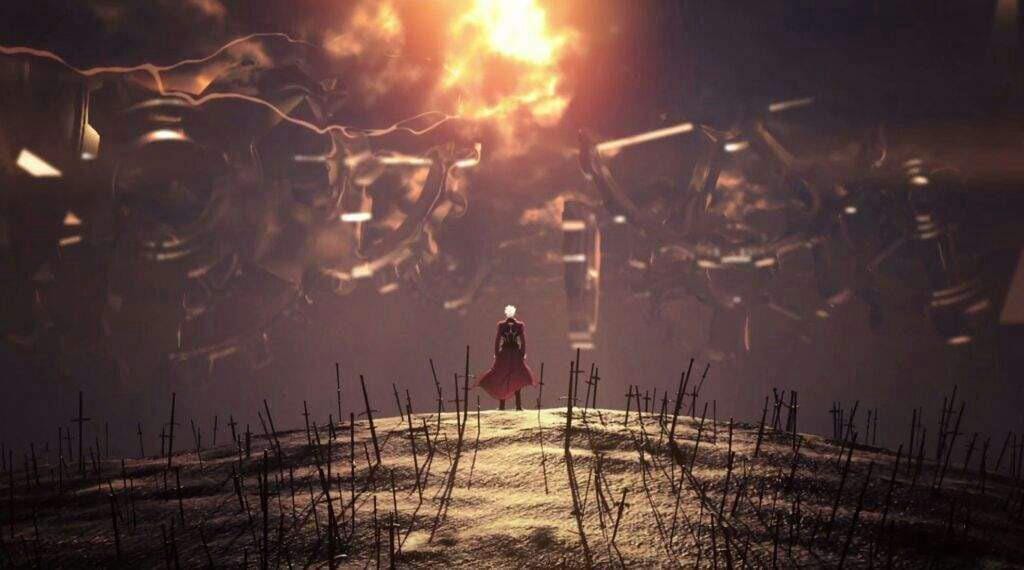
Our inspiration
A render by Jan Maehlmann and Felix Xu
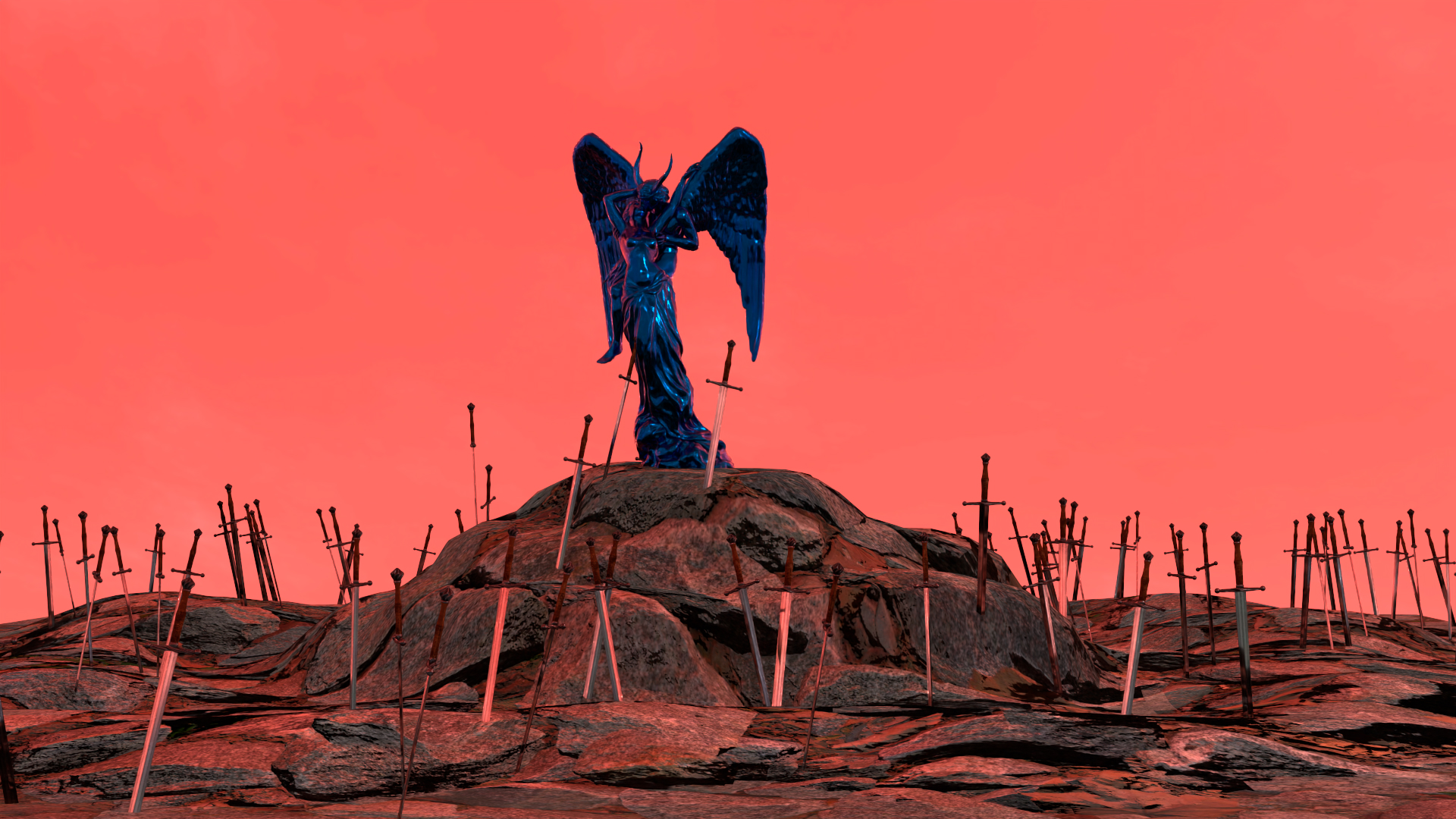
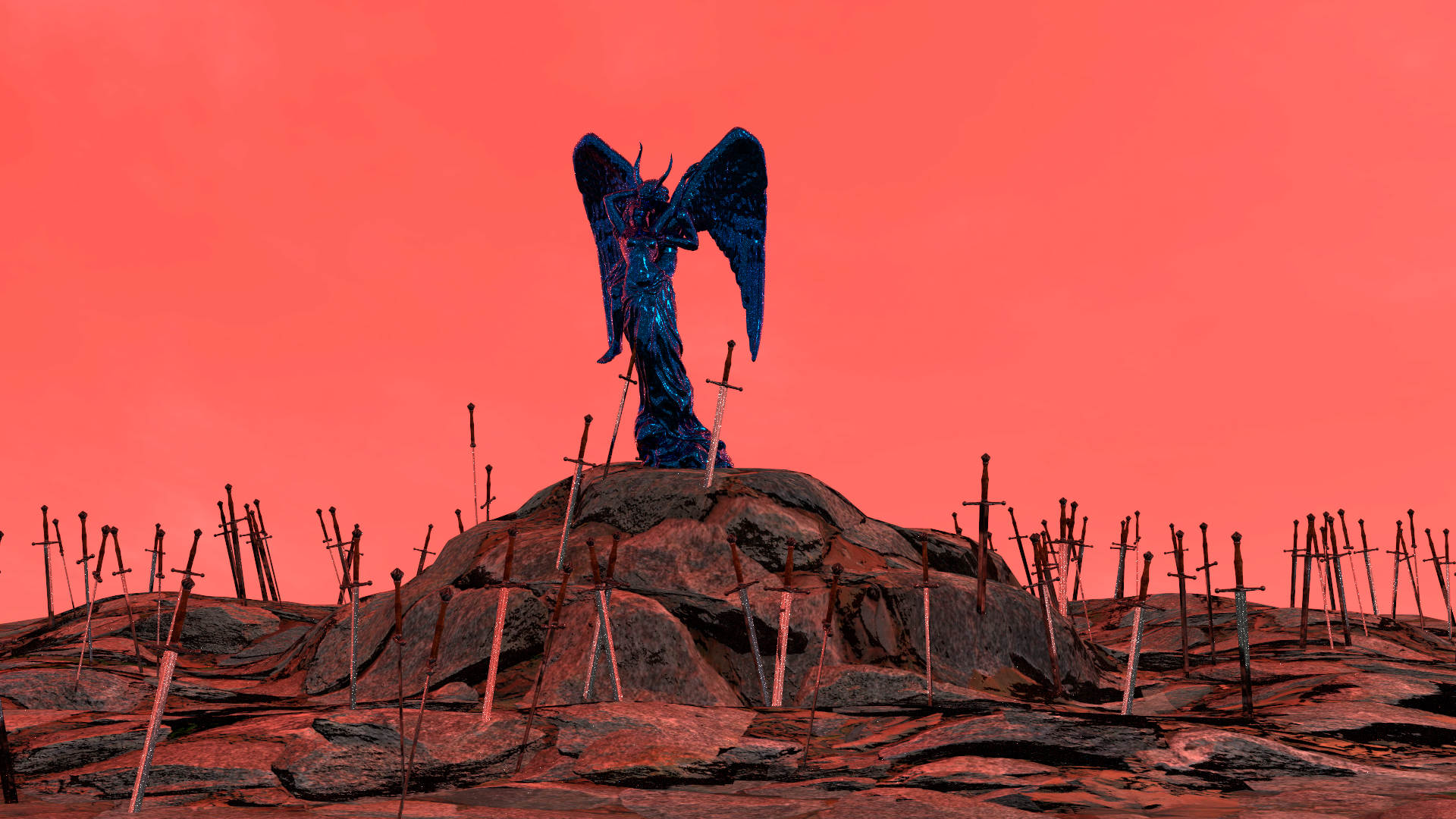
Our scene shows a rocky mound with swords embedded in the stone beneath an eerie, otherworldly red sky.
At its peak stands an intertwined angel-and-devil statue, contrasting the environment with a blue iridescent sheen.
As the viewer inspects the image, they are invited to wonder what happened here: the aftermath of a battle, or the end of a long conflict,
crowned by a looming dichotomy—an abstract take on war and what remains afterward.
One might also take note of the placement of the swords.
Our final render took … on an AMD Ryzen 7 1700.
Here are some intermediate results and renders:
Our inspiration
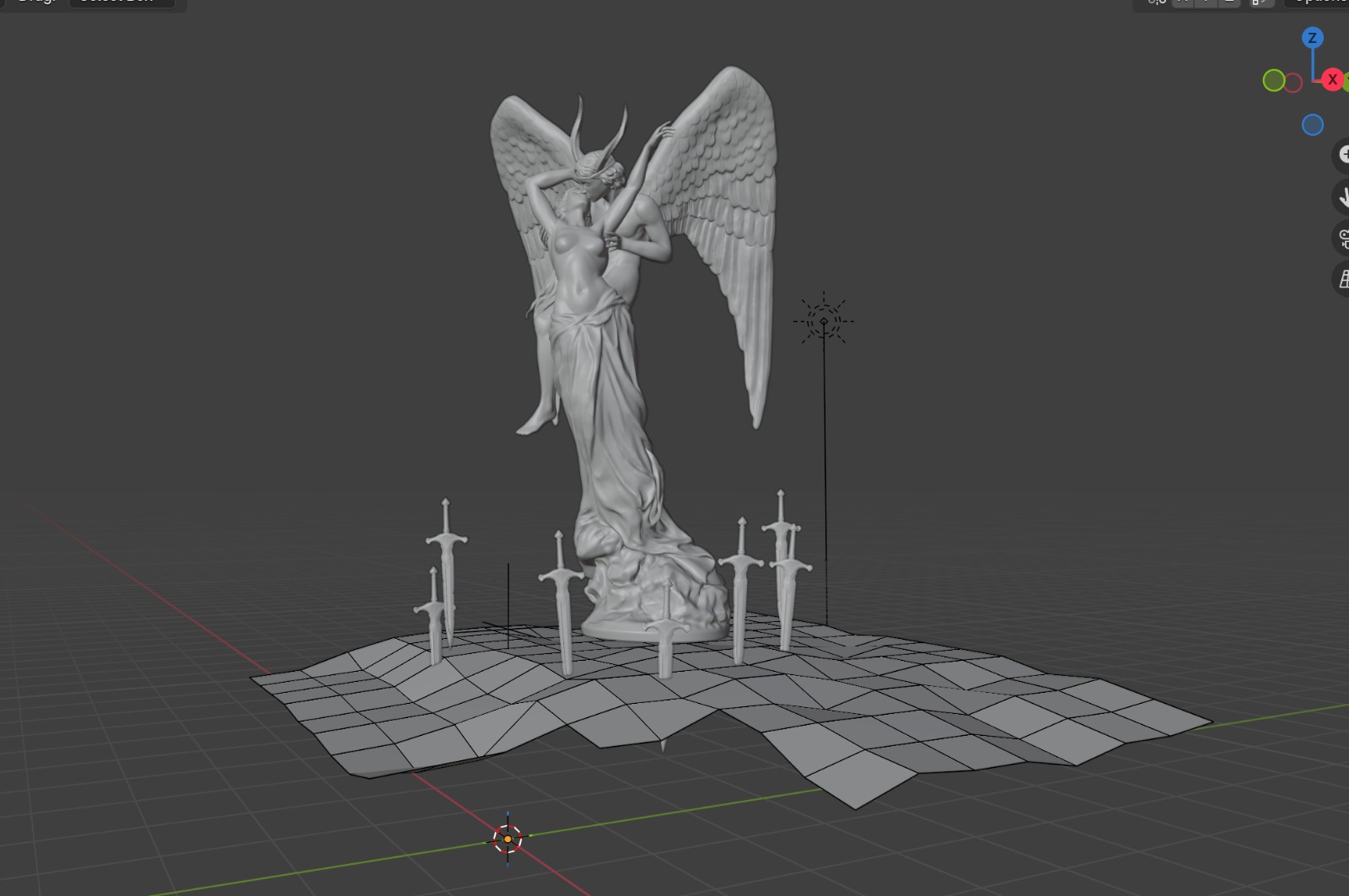
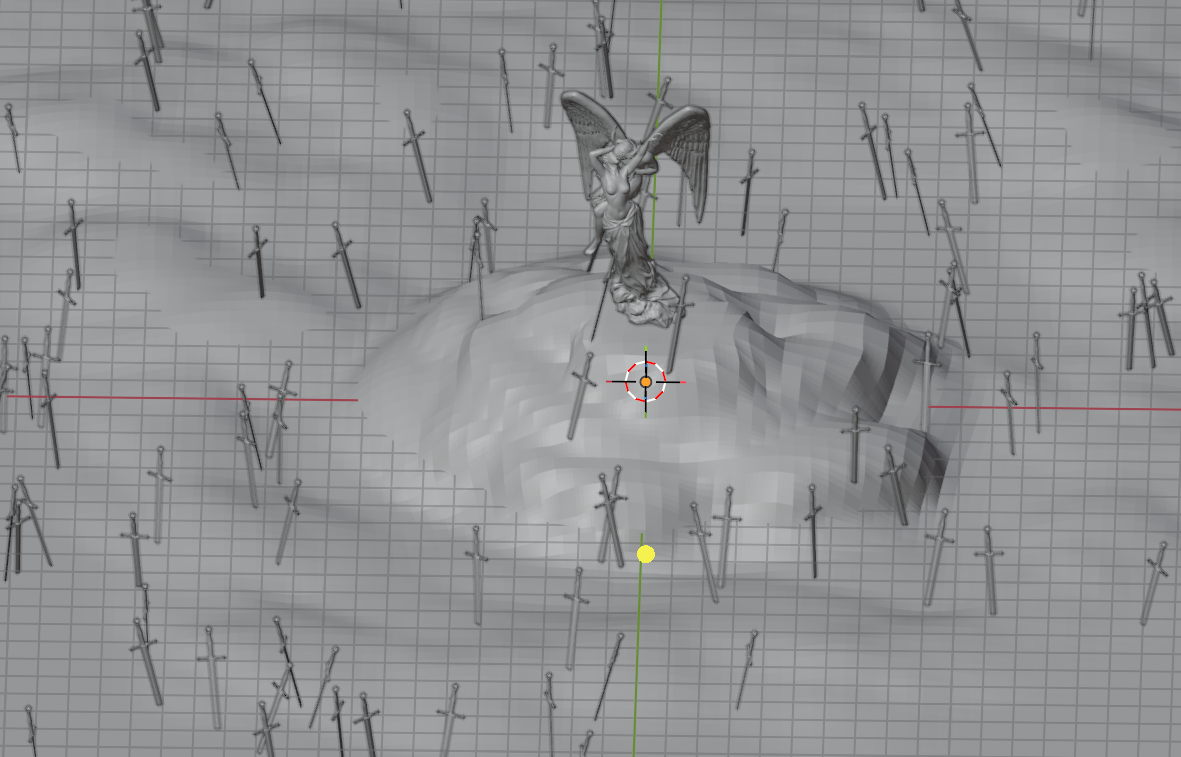
First model of our summit
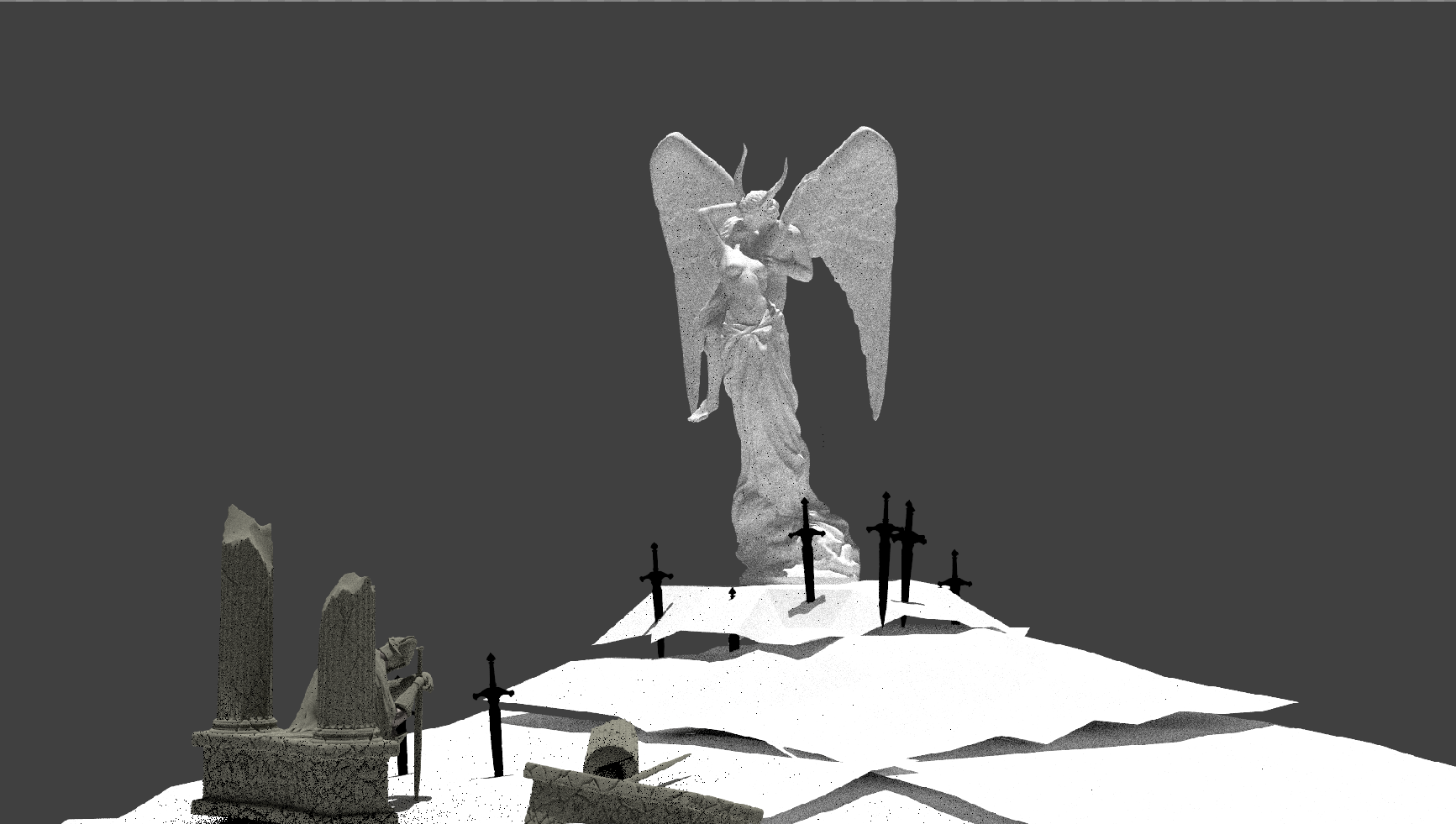
Our first render of the scene
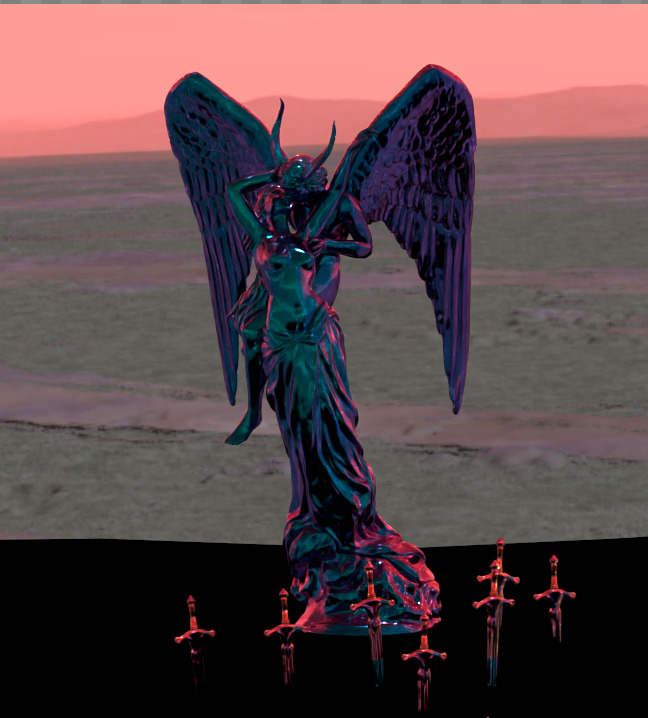
Testing iridescence
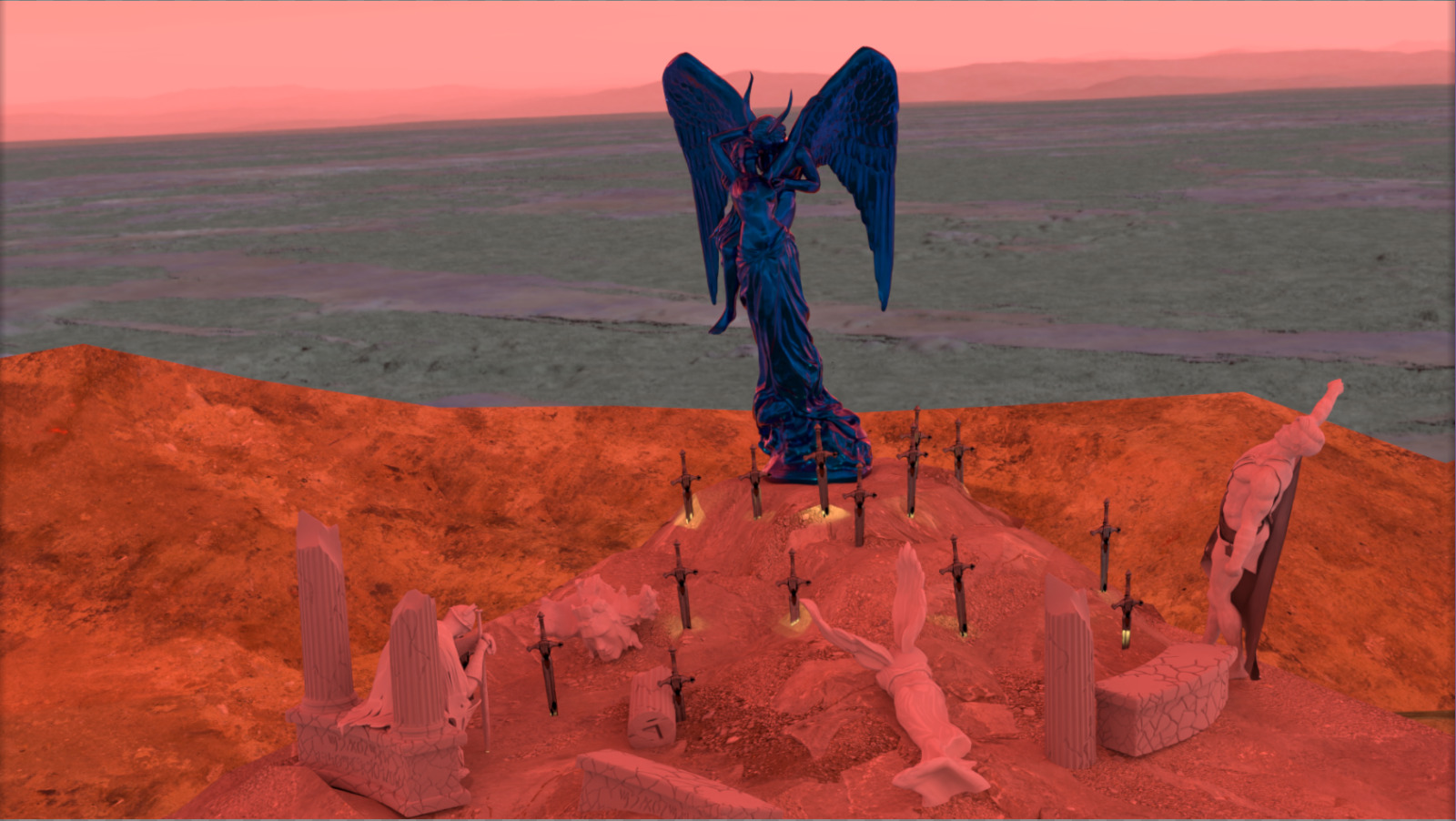
Initial scene using our iridescent statue model
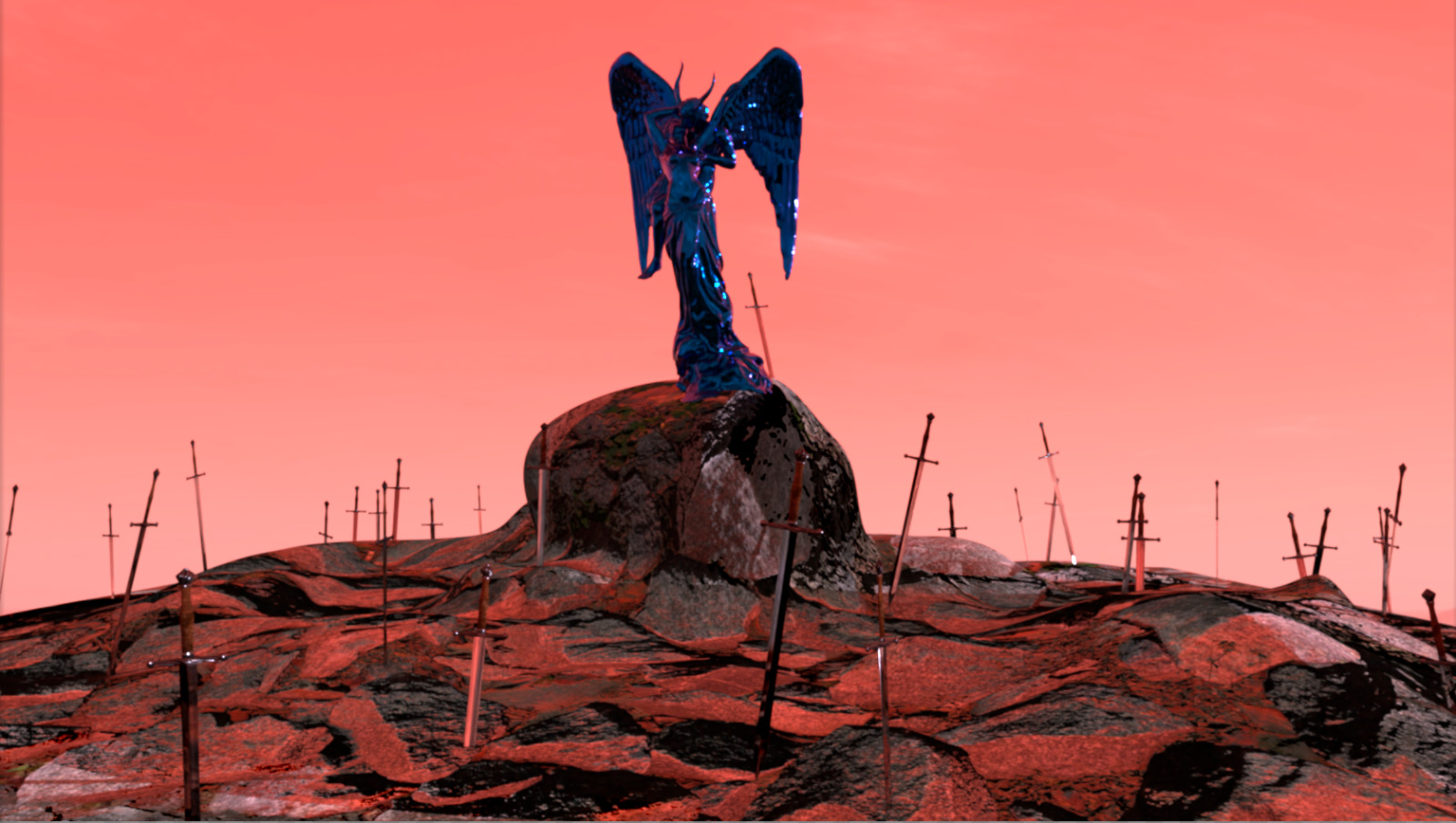
We changed the environment to make the iridescent statue stand out more
This led to the final look of our scene
We sample a random point on the light geometry and evaluate radiance proportional to its area using a solid-angle PDF.
Challenge: adding the cosTheta term correctly in our path tracer for area lights.
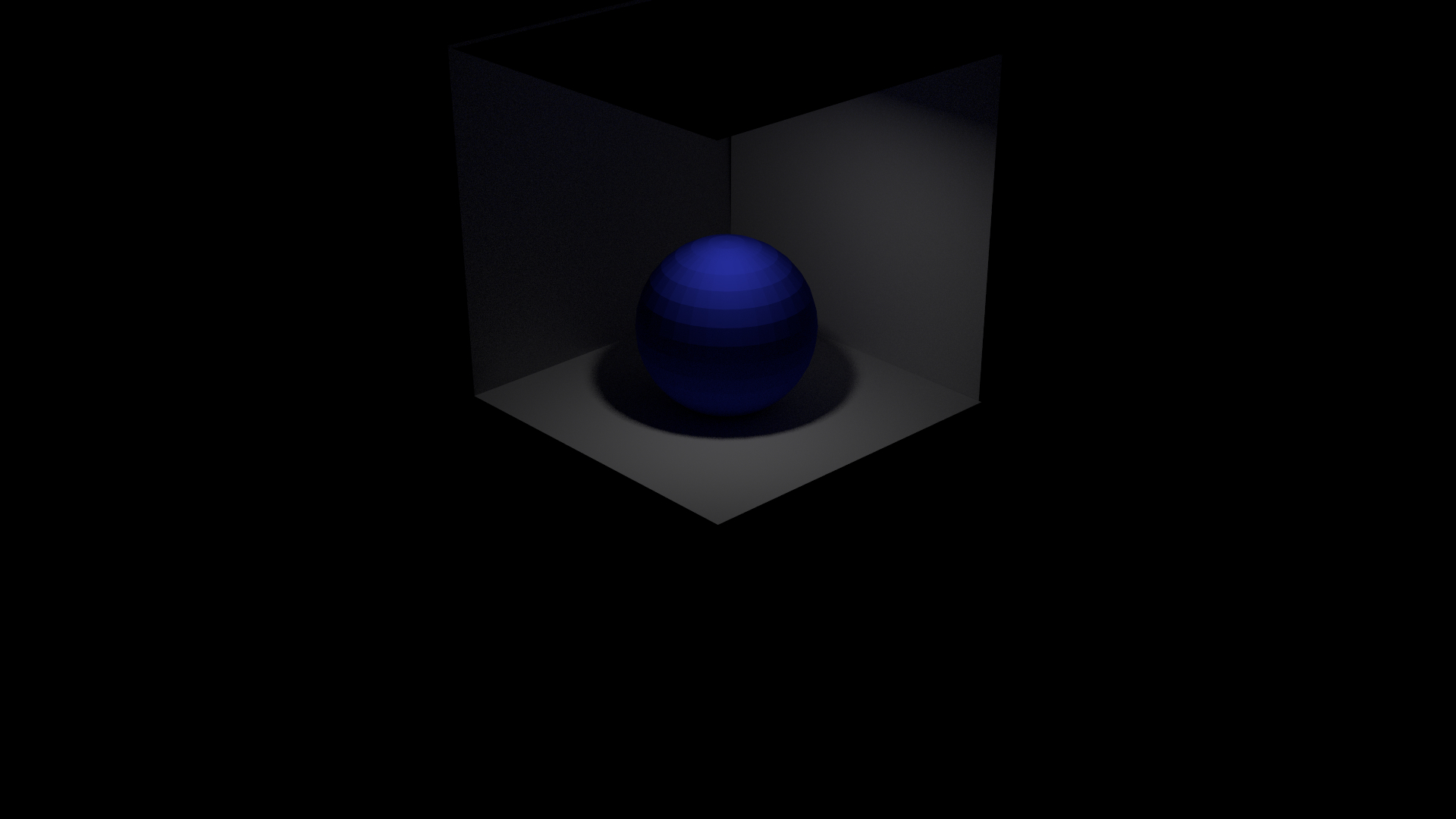
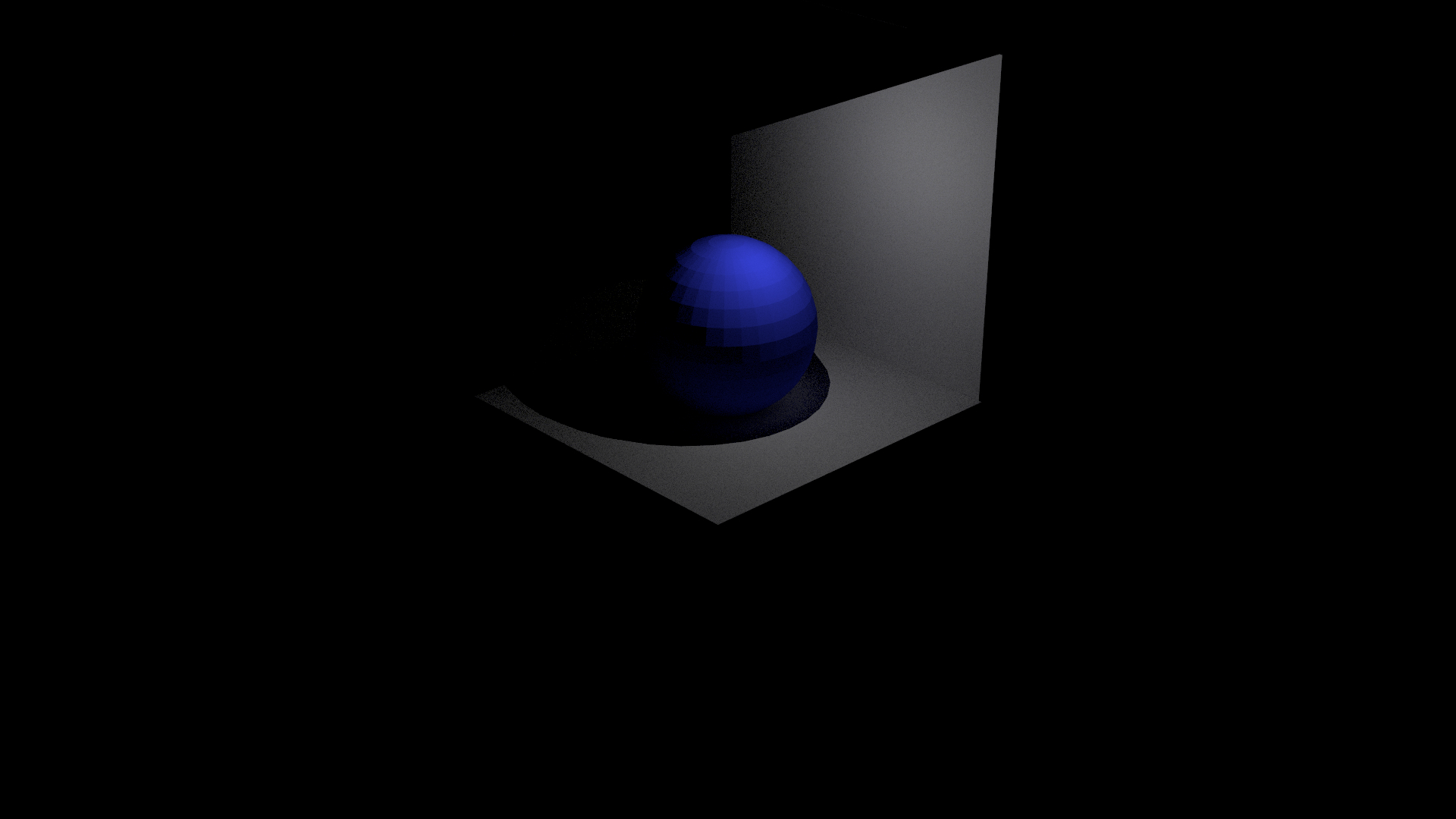
We bias the selection of the sampled areas of the envmap towards areas with more luminance, which then contribute more to the scene.
Challenges: double sampling, as well as “exploding” environment maps.
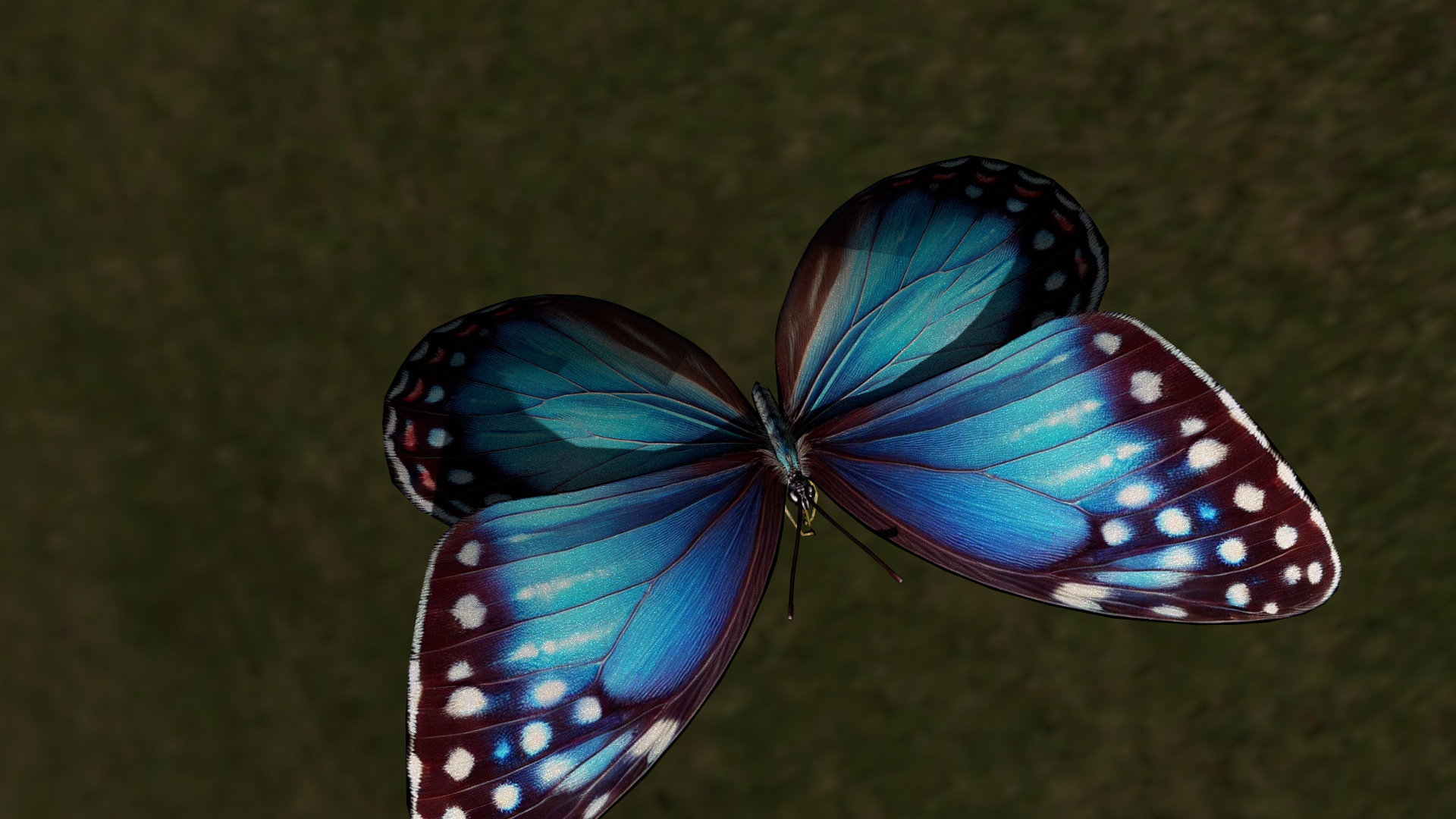
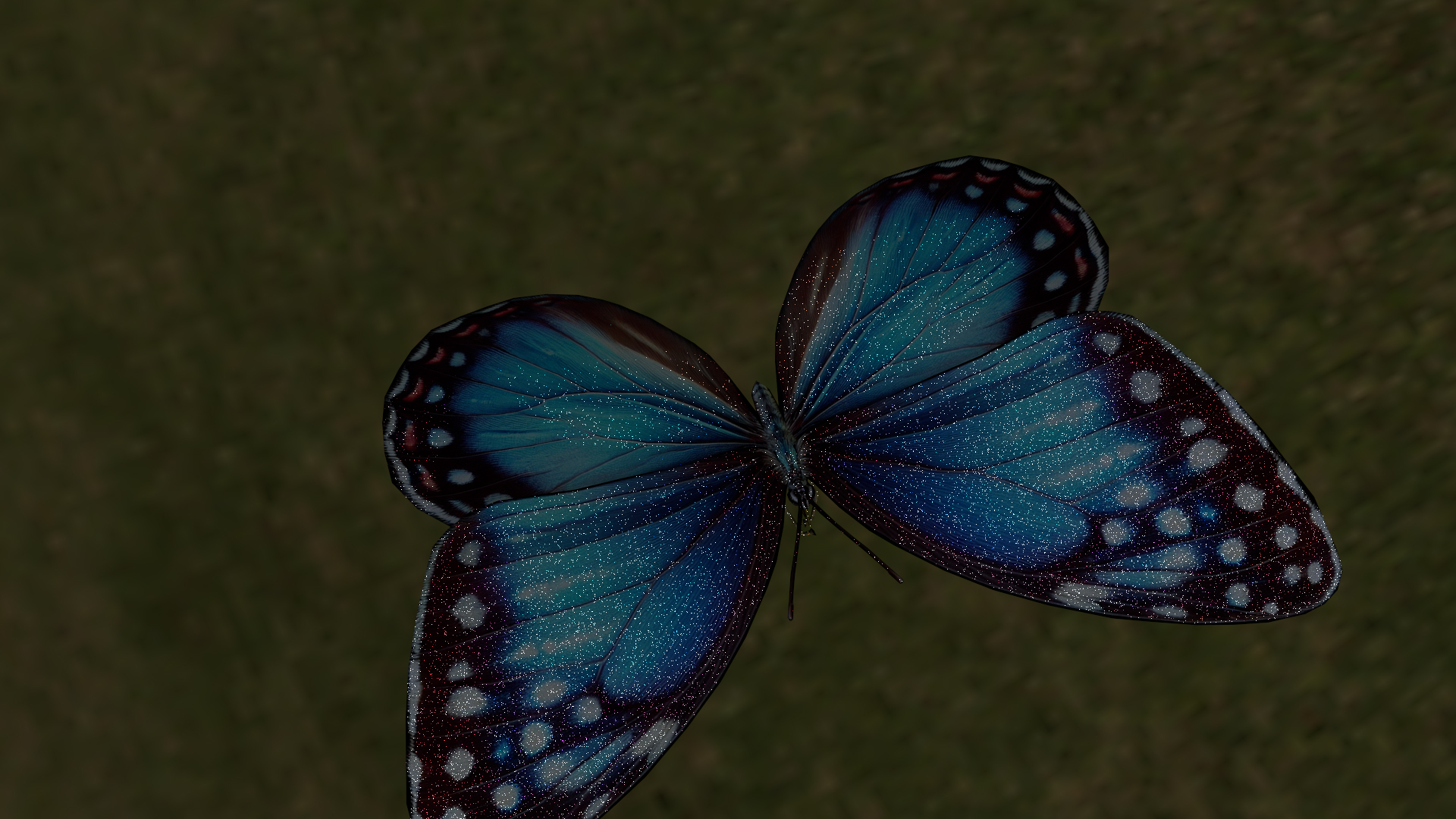
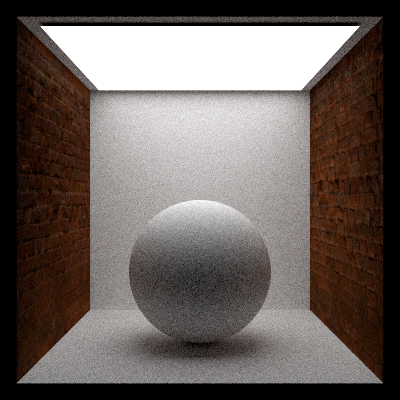
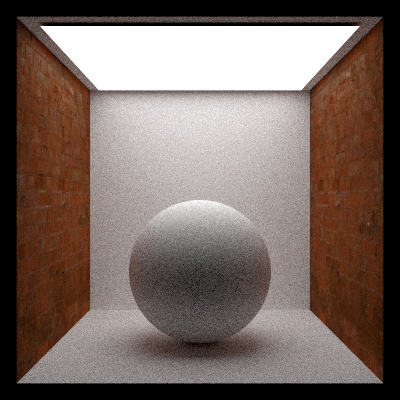
We add fine detail to simple meshes using a normal map that perturbs the shading normal.
Challenge: inverted normals were hard to detect.
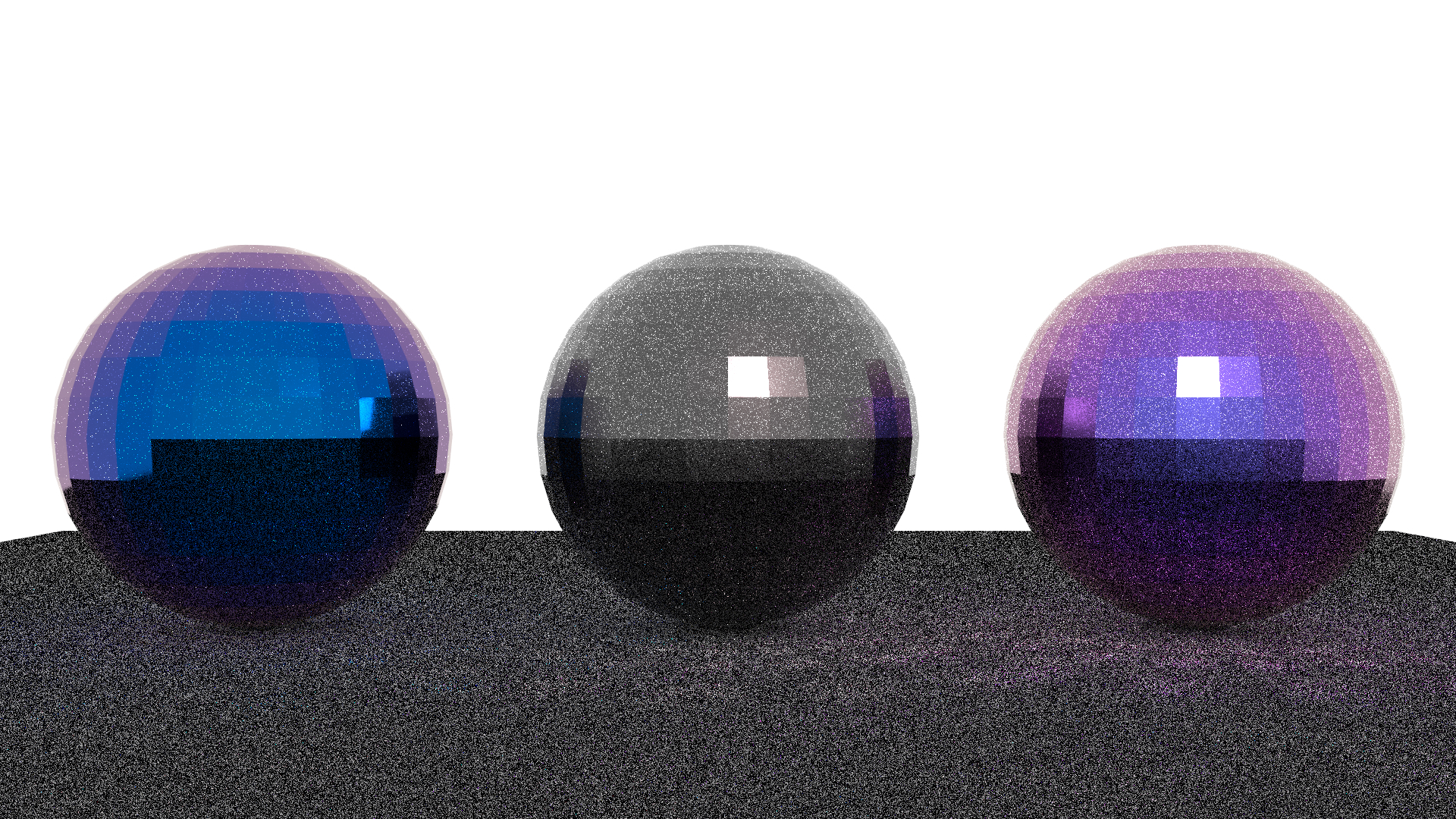
We approximate an iridescent effect using thin-film interference and Airy summation to model scattering, polarization,
and phase changes for dielectric films on top of conductors.
Challenges: manually adding iridescence (not supported by Blender or our exporter) and getting the math/physics right.
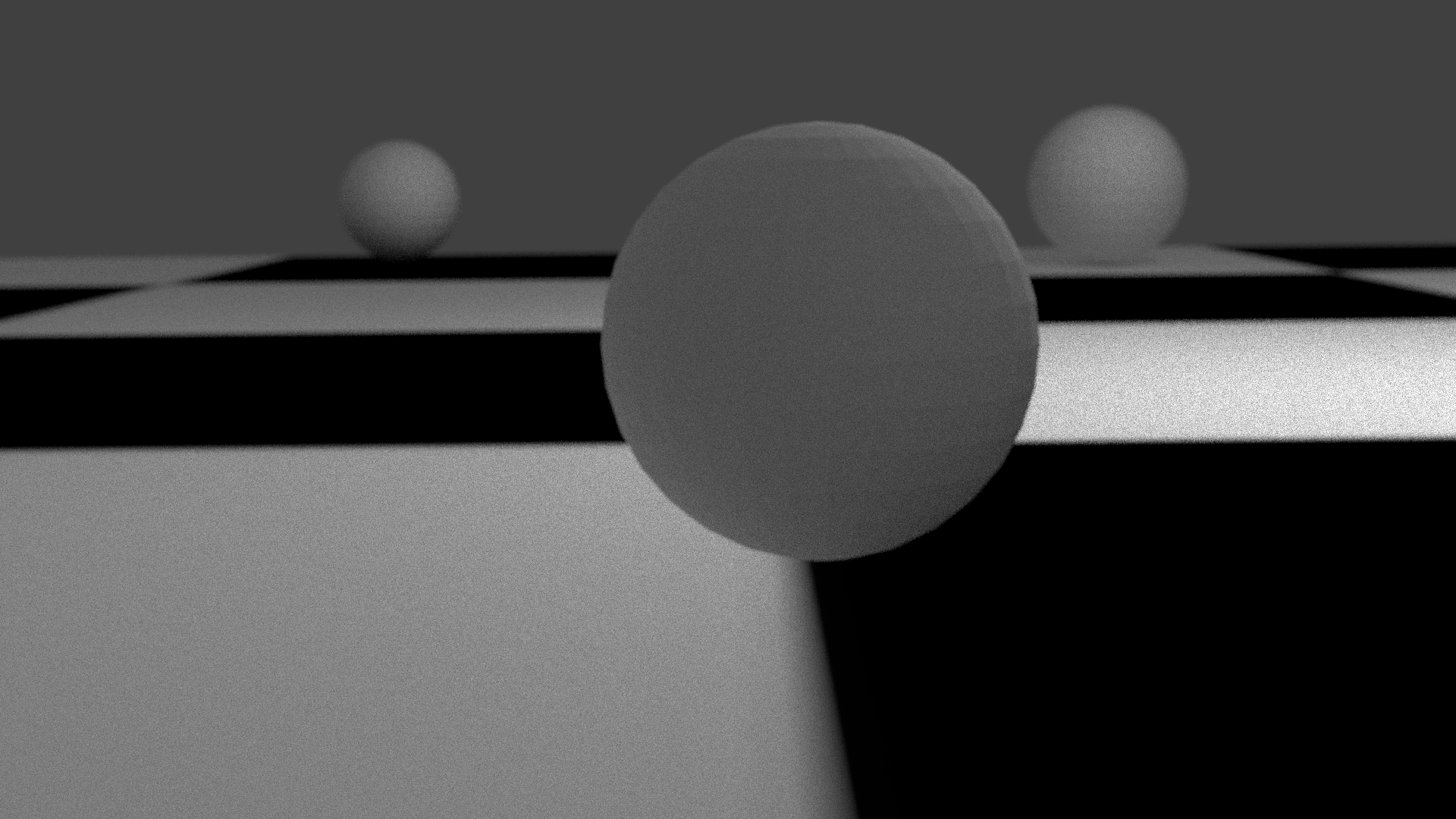
We achieve depth of field by sampling rays through a lens and focusing them at a chosen focal distance, which blurs objects away from the focal plane.
Challenges: …
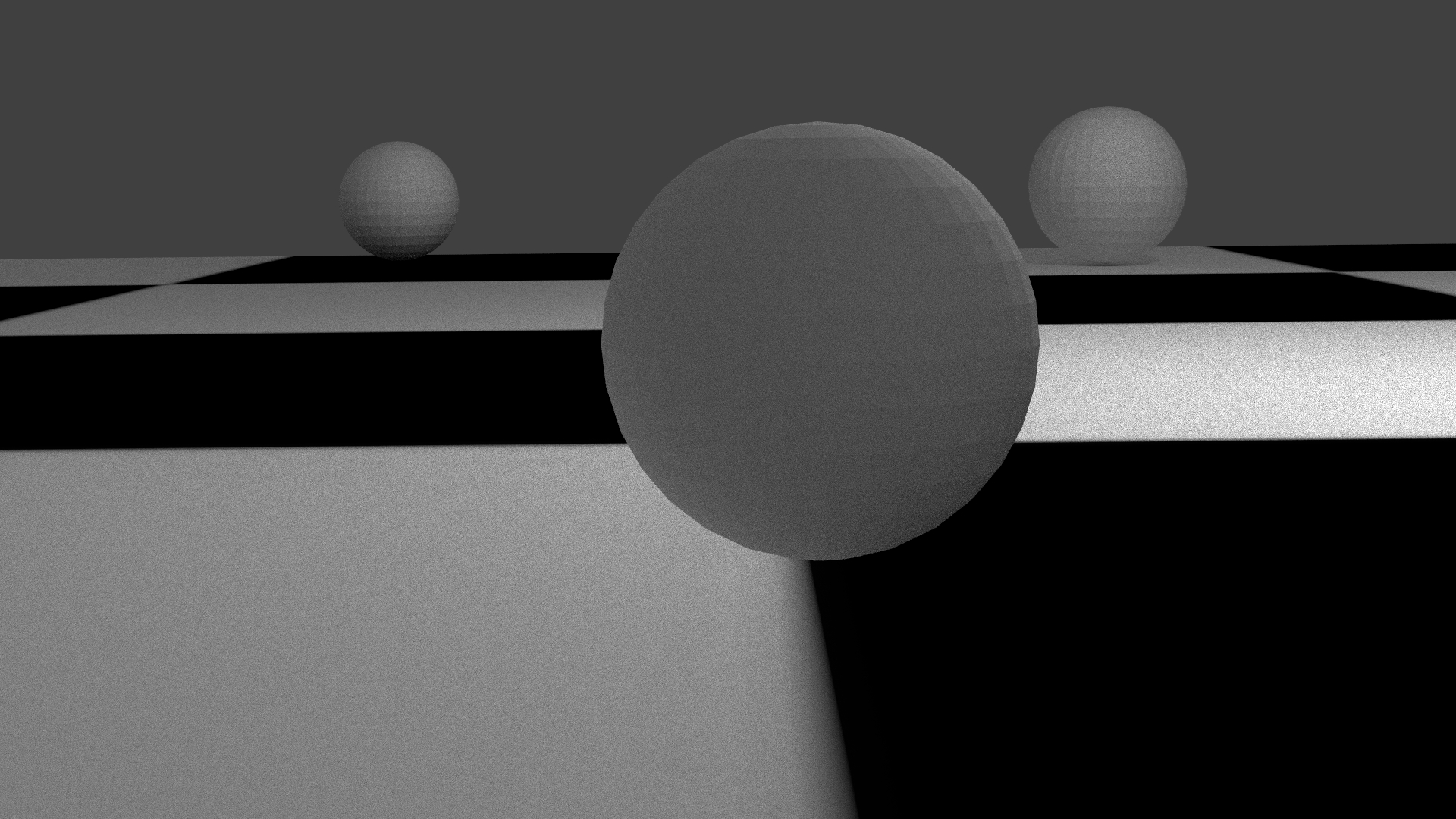
Hits are rejected using the texture alpha value and an RNG test.
Challenge: creating a test scene that exports as a valid XML file.
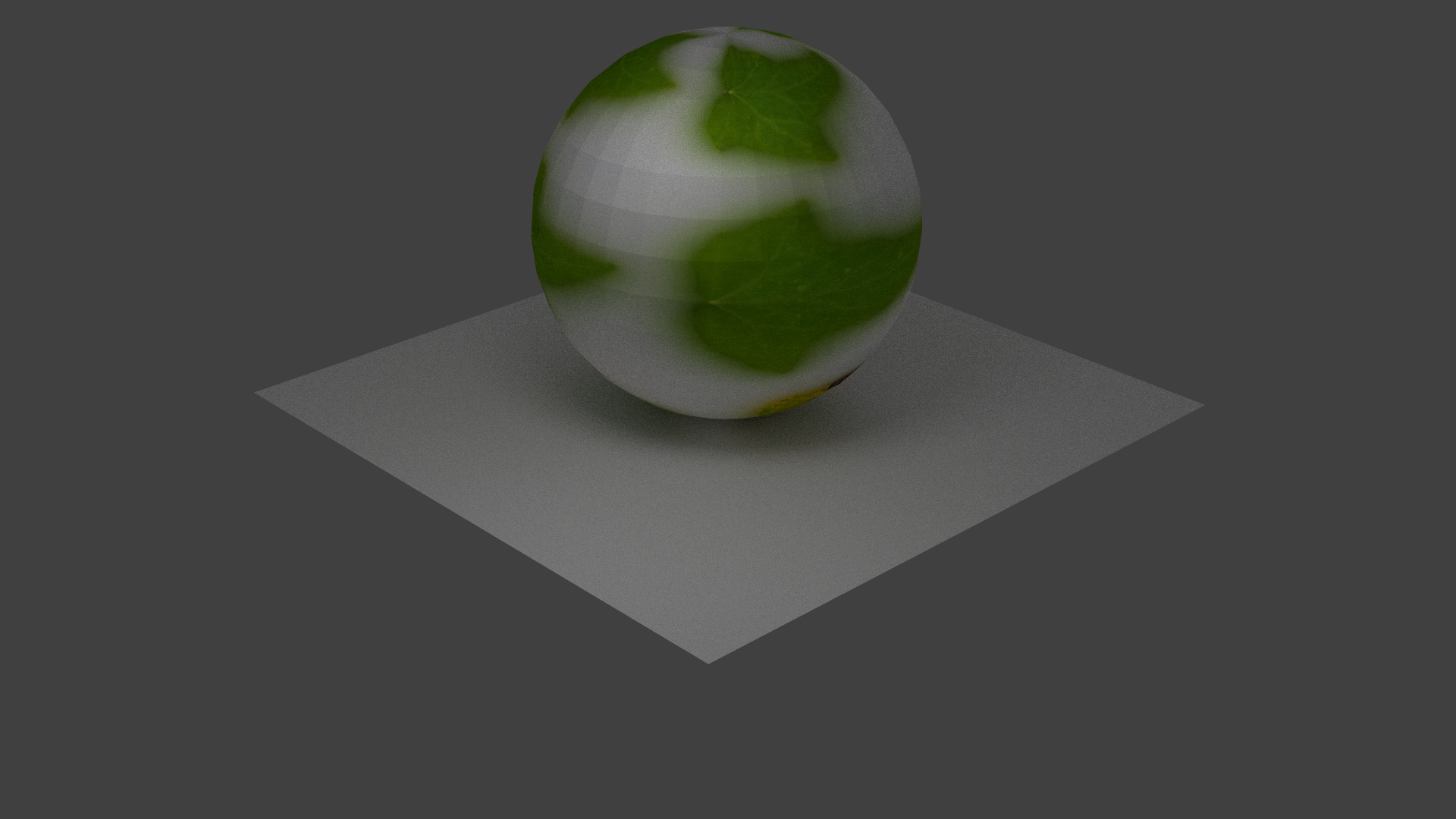
Using Intel Open Image Denoise (OIDN), we can produce near noise-free results even at low sample counts.
Challenges: ensuring compatibility on both Windows and Linux.
Lastly, here are the credits for third-party assets used.
by KRONOS77
by Youssef Ismail
by Ellen-
by Dimitrios Savva