Made by: Shahrzad Kharazmi
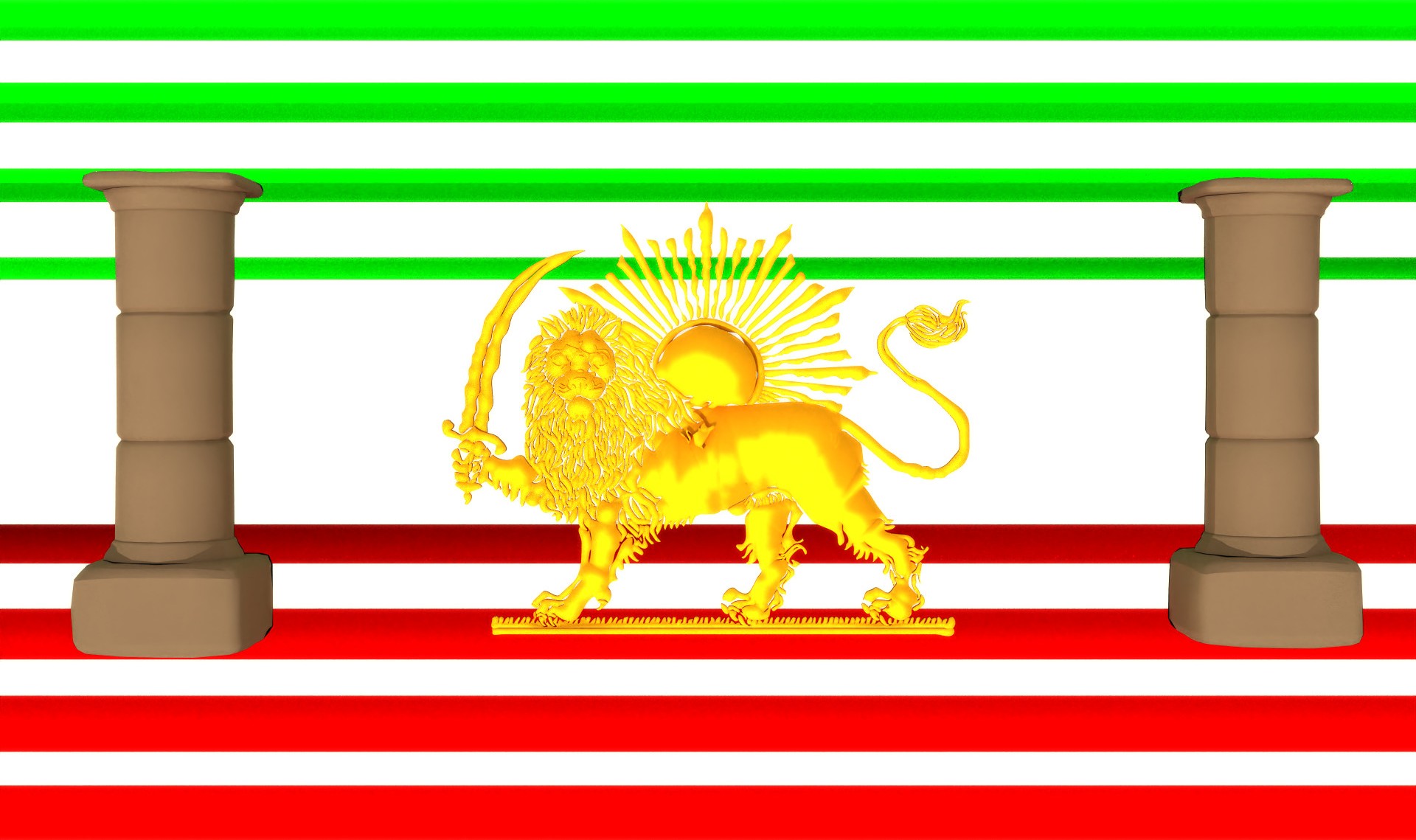
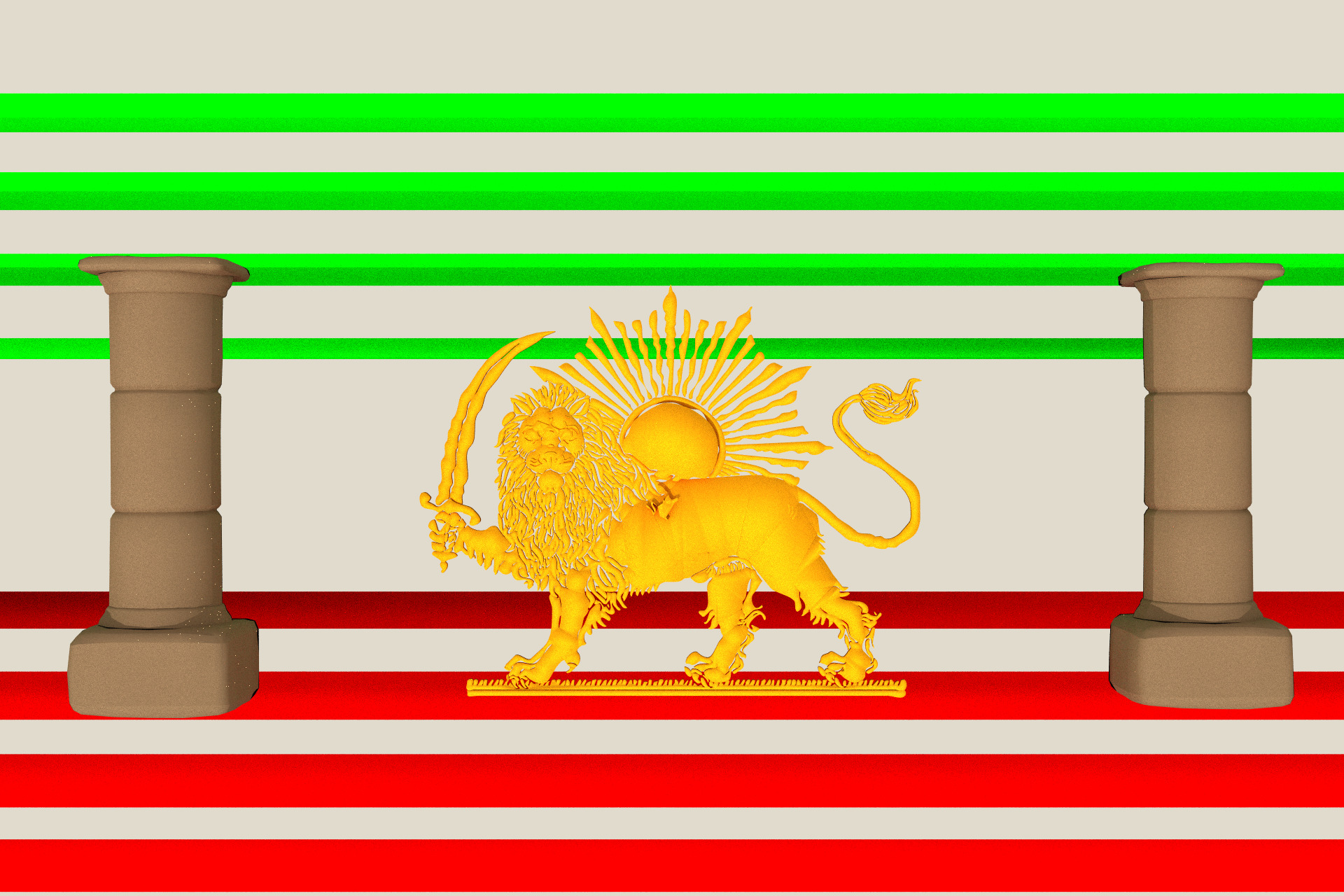
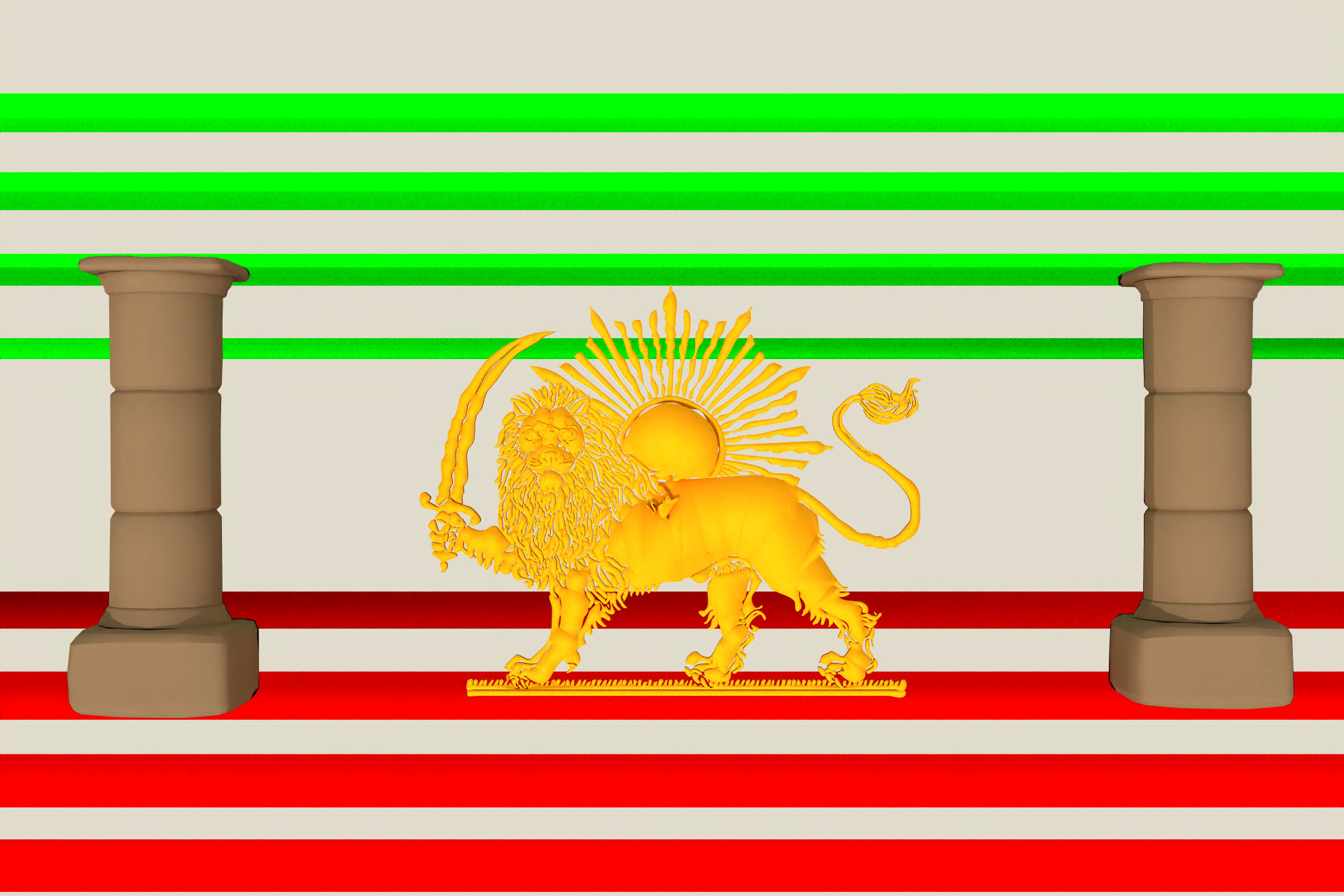
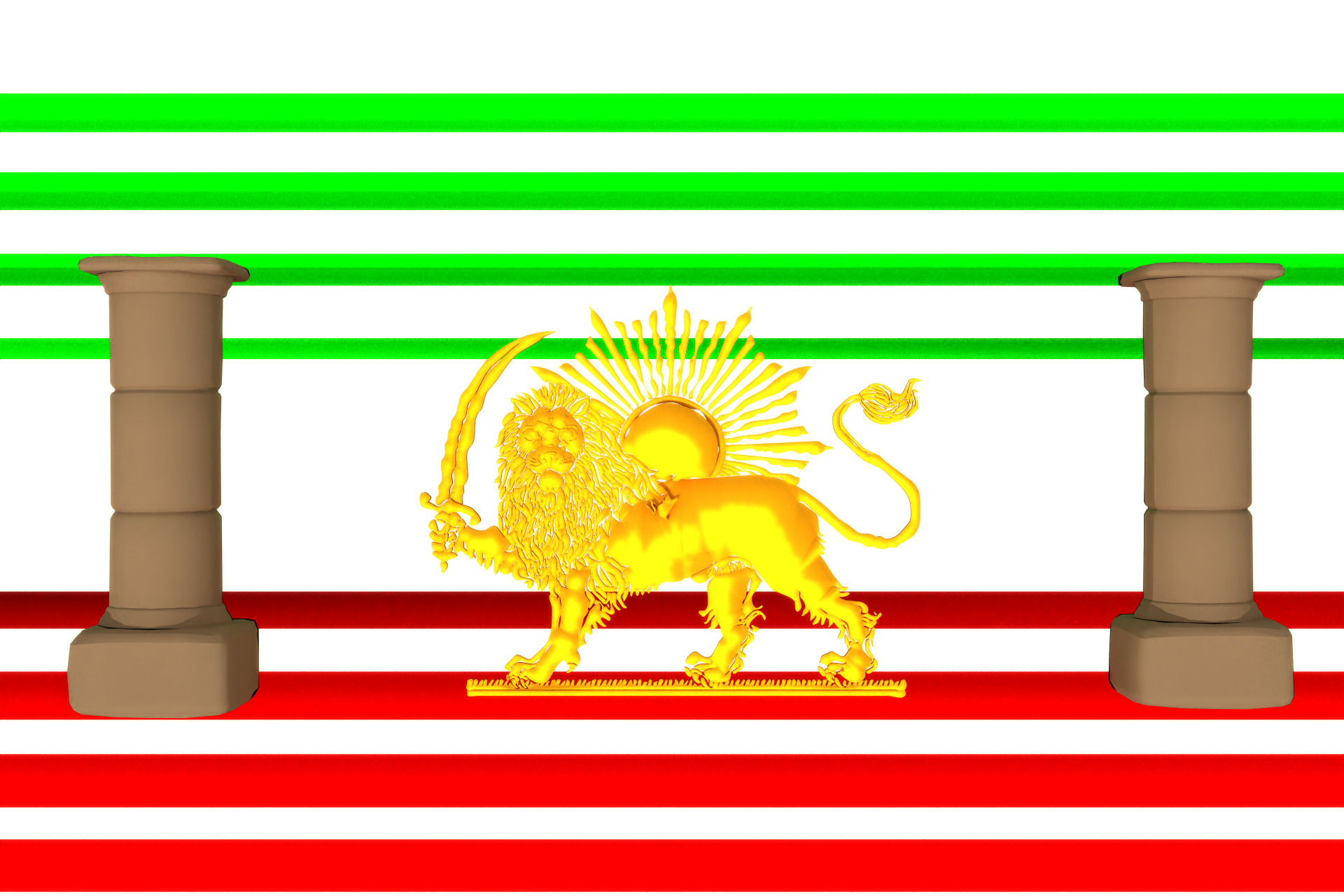
This scene is inspired by the historic Lion and Sun emblem, one of the most enduring symbols of Iran, representing the union of courage in the lion and enlightenment in the sun. For centuries, this emblem appeared on Iran's flags and royal insignia, carrying a deep cultural meaning rooted in strength, wisdom, and national identity. In this artwork, I placed the emblem between stone pillars inspired by Persepolis, echoing the architectural grandeur of ancient Persia and grounding the scene in its historical origins.
The intention behind the piece is to capture a moment where the Persian Lion awakens beneath the rising Sun , a symbolic convergence of power and illumination. By blending ancient motifs with modern computer graphics aesthetics, the scene aims to evoke a sense of awakening, hope, and timeless cultural continuity. Subtle details such as the stone textures and the reflective golden surface of the lion add depth and invite the viewer to look beyond the first impression into the story carried by the image.

In recent months, the people of my country have been fighting against a bloodthirsty and repressive regime. Nearly fifty thousand lives were lost in the past month alone, as ordinary people stood up for their most basic right: freedom. Creating this artwork became my personal tribute to their courage and my way of expressing solidarity with their struggle.
By merging the ancient Lion and Sun emblem with the rising colors of Iran, I wanted to portray a nation that refuses to be silenced. The scene symbolizes a collective awakening, the moment when a people, despite unimaginable loss, rise once more with dignity, strength, and an unbroken spirit.
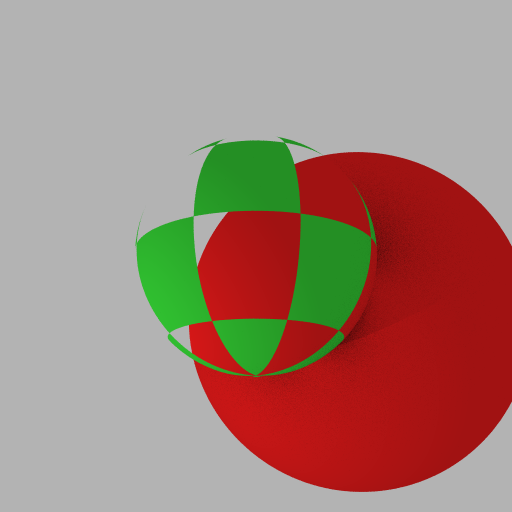
Alpha masking is a technique that allows for selective transparency in rendered objects. By using an alpha channel in textures, we can create complex shapes and cutouts without additional geometry, making it ideal for rendering foliage, hair, and other intricate details efficiently.
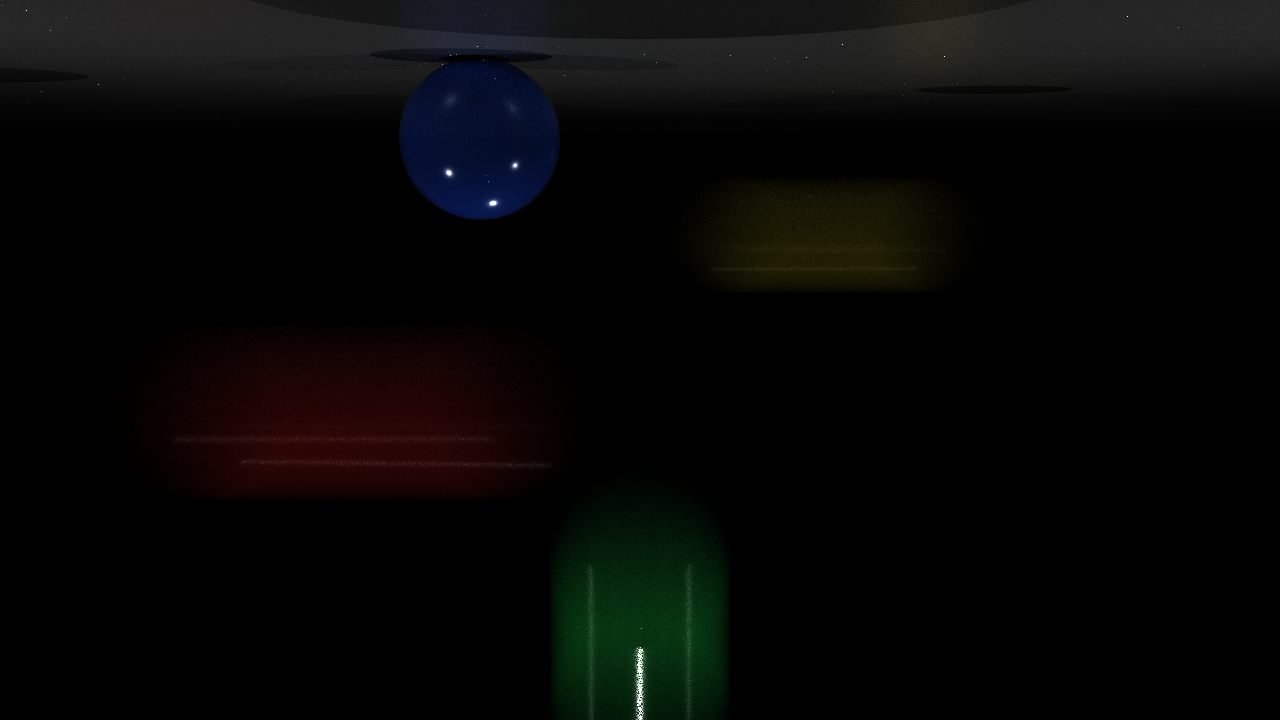
Bloom is a post-processing effect that simulates the scattering of light in bright areas of an image. This creates a glowing effect around light sources and enhances the overall visual appeal of the scene.
The slider above demonstrates how bloom can be applied to enhance the visual quality of rendered images. It dynamically adjusts the intensity and spread of light to create a more realistic and immersive experience.
Motion blur is a visual effect that simulates the blurring of objects in motion, mimicking the way cameras capture fast-moving subjects. This effect enhances realism by adding a sense of speed and fluidity to animations.
The slider above demonstrates how motion blur can be applied to moving objects in a rendered scene. It dynamically adjusts the blur intensity based on the object's velocity, creating a more immersive experience.
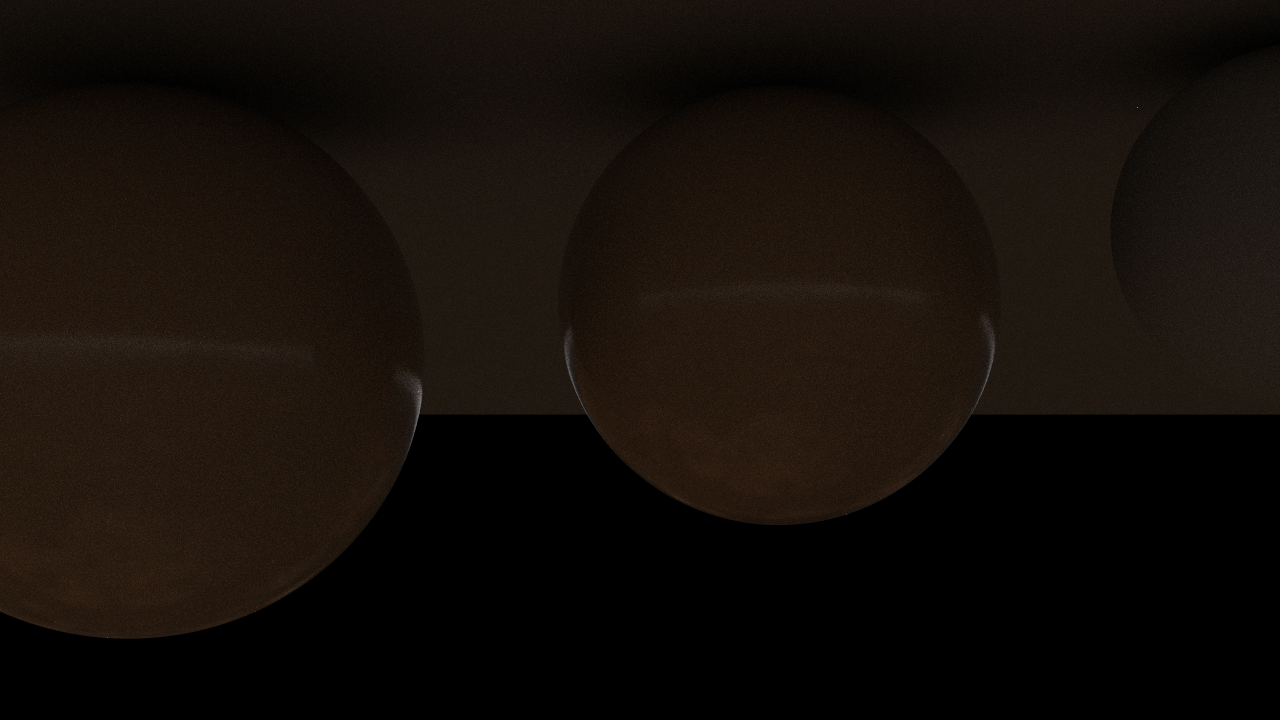
Improved environment sampling enhances the rendering of scenes lit by environment maps (HDRI). By using importance sampling techniques, we can more efficiently sample the lighting from the environment, reducing noise and improving convergence speed in path tracing. This results in more accurate and realistic lighting with fewer samples.
The slider above demonstrates the improvement in rendering quality when using importance sampling for environment maps. Notice how the lighting becomes more accurate and converges faster with fewer samples.
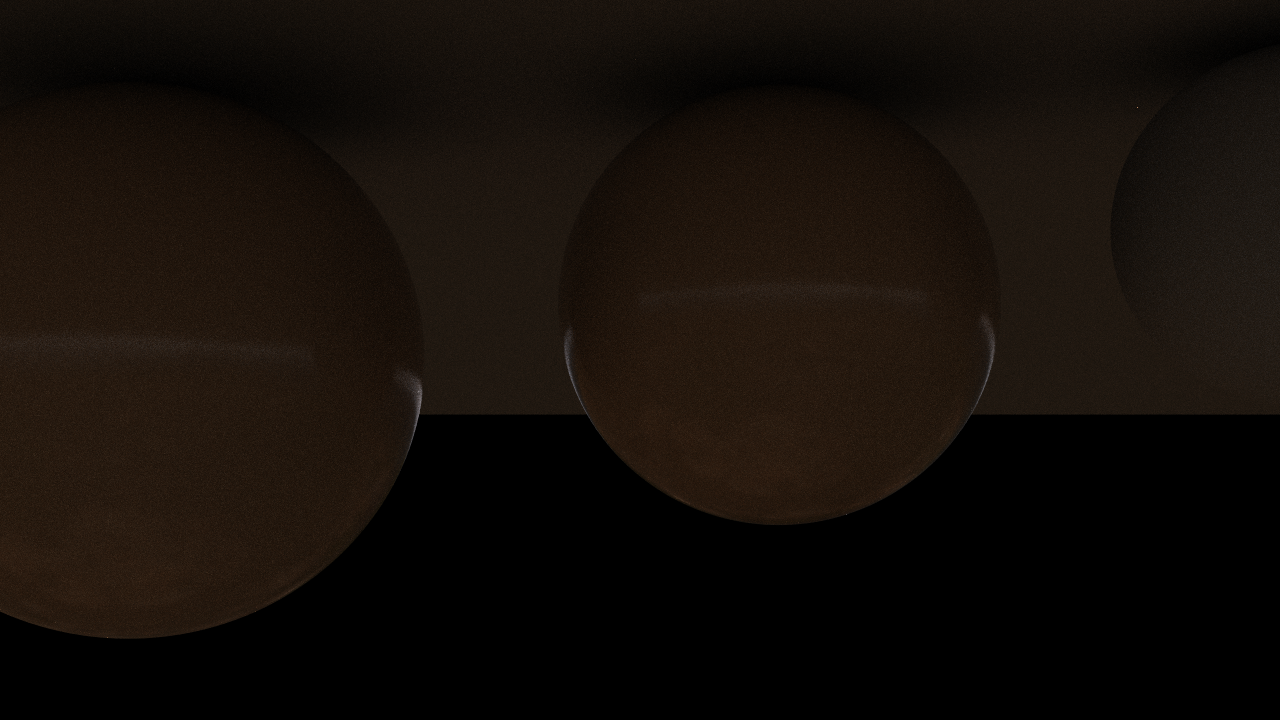
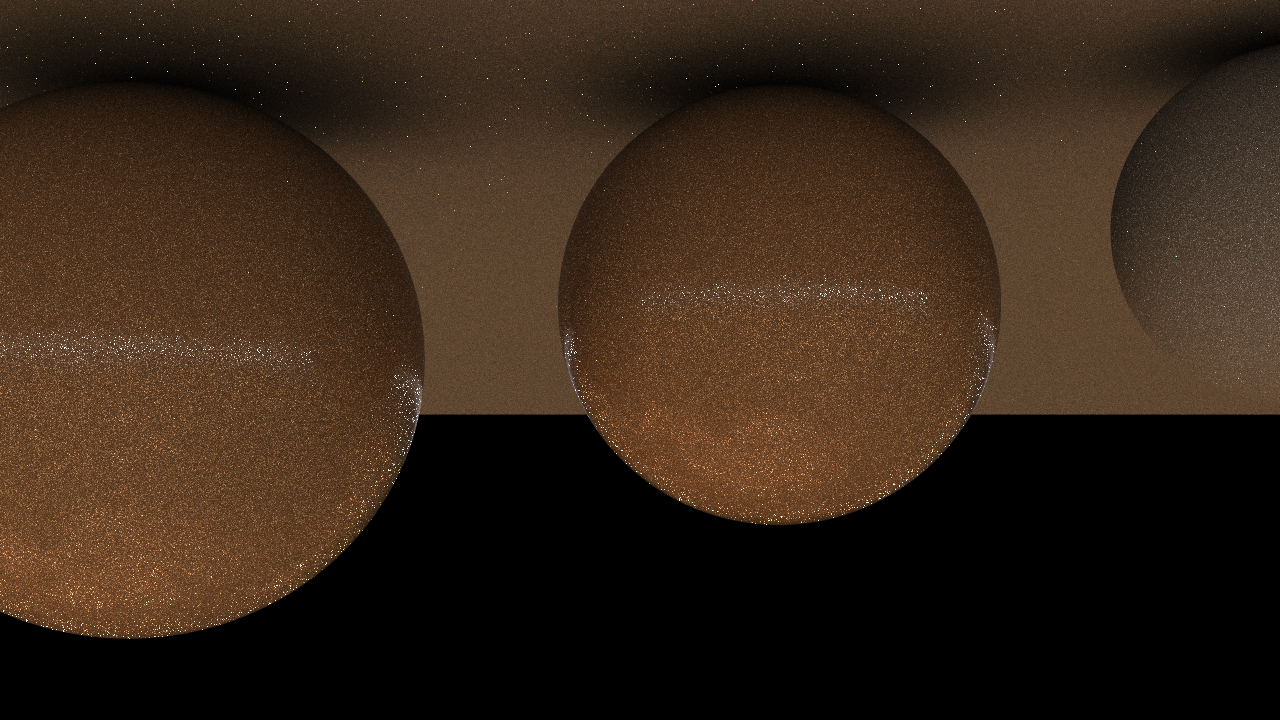
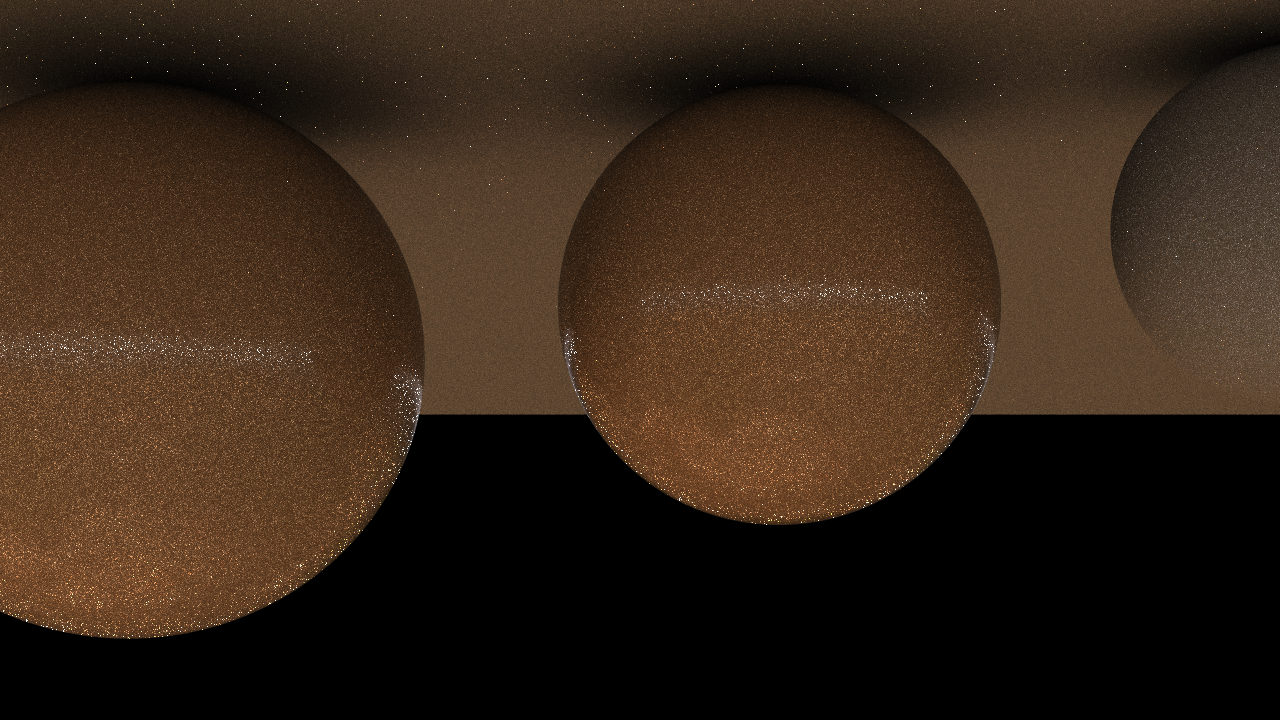
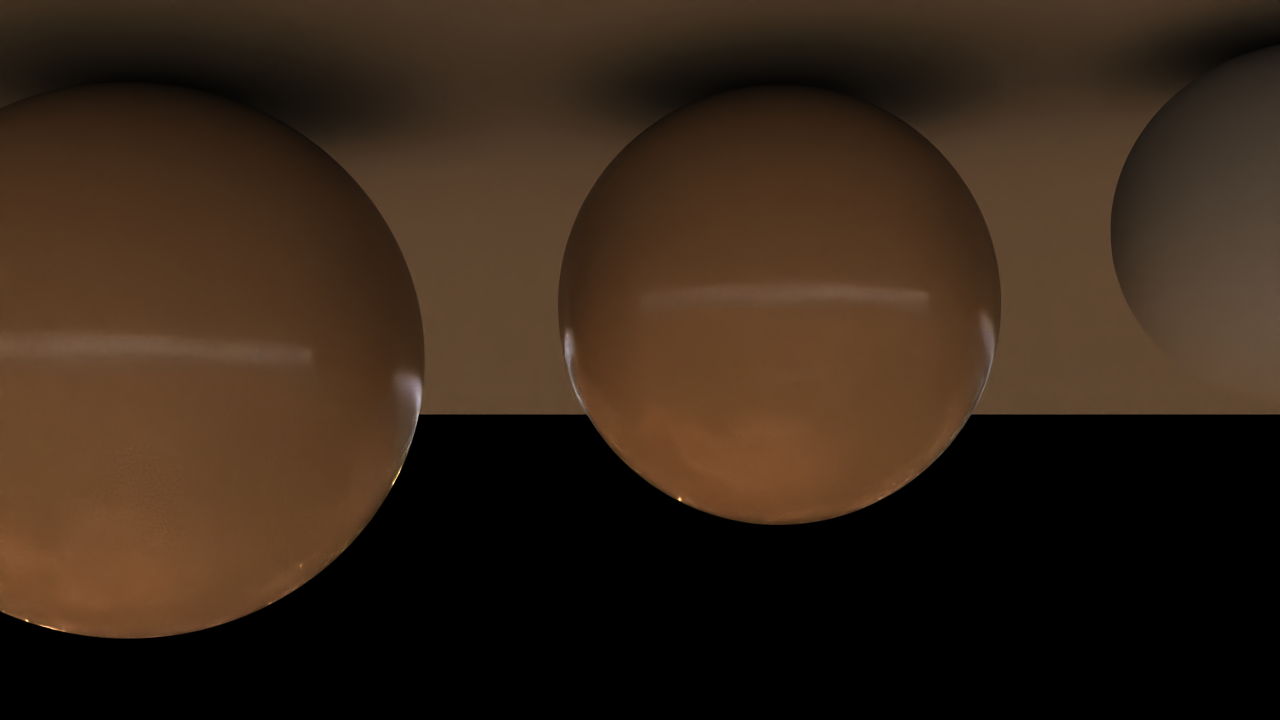
Image denoising is a post-processing technique used to reduce noise in rendered images, improving their clarity and visual quality. This process helps to create smoother surfaces and more realistic lighting effects.
The slider above demonstrates the impact of image denoising on rendered scenes. By comparing noisy and denoised images, you can observe how this technique enhances the overall quality of the output.
Final Scene: Awakening of the Persian Lion
The journey from the initial raw render to the final polished image involved multiple post-processing stages, each carefully applied to enhance specific aspects of the scene while preserving its artistic intent.
The initial render was created using various advanced techniques including motion blur for the dynamic background streaks and environment sampling for realistic lighting. However, path tracing inherently produces noise, especially in complex lighting scenarios. The first post-processing step applies an image denoising algorithm that significantly reduces this noise while preserving important details such as the stone textures and the reflective golden surface of the lion.
After denoising, a subtle bloom effect was applied to enhance the scene's visual impact. The bloom was carefully calibrated with low intensity and focused primarily on the central region where the lion stands, creating a gentle glow that emphasizes the symbolic awakening. This final touch adds depth and draws the viewer's attention to the heart of the composition without overwhelming the carefully crafted details.
By comparing these stages, you can observe how each post-processing step contributes to the final image quality, from reducing visual noise to adding artistic emphasis through lighting effects.